
Tennis Foot: When the Heel Says "Enough"
Tennis foot is heel pain from repeated impact on hard courts, often plantar fasciitis or a bruised heel pad. The causes, how to recognize it and the treatment.
By Dr. Luigi ManziUpdated on
You wake up in the morning, put your foot down, and… ouch! A stabbing pain in your heel that makes you jump on one leg. If you've ever experienced this, you've probably experienced what we call "tennis foot."
Now, the name can be misleading. You don't have to play tennis to get it. I've seen it in runners, in housewives who stand a lot, in people who started walking more to lose weight. Tennis foot is actually plantar fasciitis. Period.
But why does it hurt so much? And most importantly, what can we do to fix it?
What exactly is tennis foot?
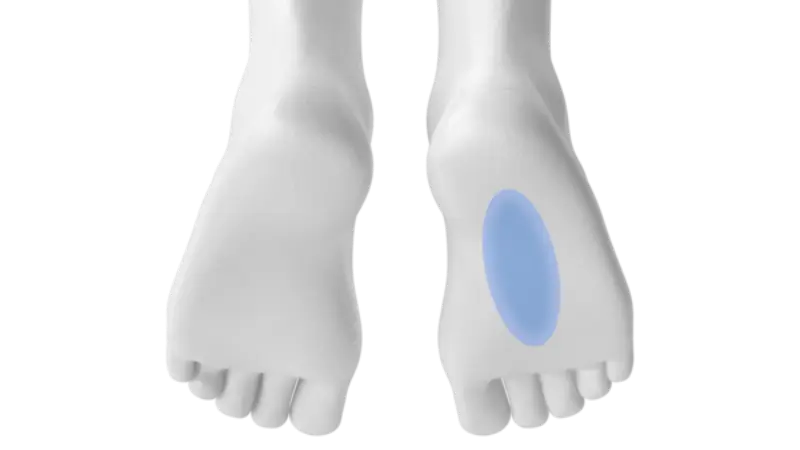
Let's see what we're talking about. The plantar fascia is like a strong elastic band that runs under the foot, from the heel to the toes. It supports the arch and helps absorb impact when walking.
Think of this band as a rubber band you use every day. Over time, if you pull it too hard or the wrong way, it becomes inflamed. That's what plantar fasciitis is: inflammation of this band of tissue.
The typical pain? Heel pain, especially in the morning. It's as if the foot has "rusted" overnight. The first few steps are torture, then the pain gradually subsides. But be careful: it doesn't mean it's healed. It's just that the fascia warms up a little while walking.
The causes: why it happens to you
"Doctor, I didn't do anything special!" This is a phrase I hear often. And it's often true. Plantar fasciitis can develop for many different reasons.
Tennis or running are definitely sports that can trigger it. Repetitive movements, jumping, and sudden changes in direction. But I've also seen it in people who started walking more, perhaps to lose a few pounds. The foot wasn't used to it, and the fascia rebelled.
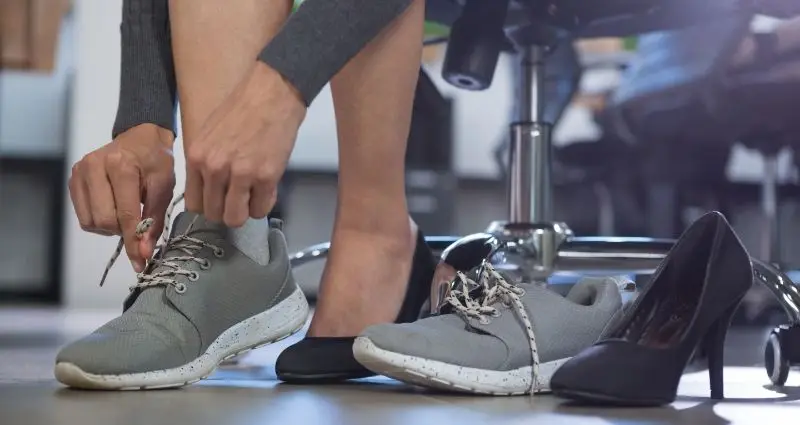
The wrong shoes are another big culprit. Those flat ballet flats that are so trendy? They're disastrous for the plantar fascia. Old, worn-out shoes with no support. Or, conversely, shoes that are too stiff and don't allow for the foot's natural movement.
Body weight matters, I can't deny it. Every extra pound translates into greater stress on the plantar fascia. It's not a question of aesthetics, it's pure biomechanics.
And then there's age. After 40, the plantar fascia becomes less elastic. That's life, unfortunately. The calf muscles shorten, the foot loses some of its natural flexibility, and the fascia suffers the consequences.
How it manifests itself: the signs not to ignore

The main symptom is that morning heel pain. My patients describe it to me in different ways: "like walking on nails," "like a stab," "like a pebble in my shoe, but much more painful."
The pain can radiate along the arch of the foot. It's not just the heel; sometimes the entire sole hurts. And there's a characteristic: it gets better with walking, but then gets worse again if you stop for a while and then start walking again.
The heel area is sensitive to the touch. If you press your finger on the inside of the heel, right where the fascia attaches, it hurts. This is one of the tests I always do during the visit.
Morning stiffness is another typical sign. The foot feels "stuck," as if it needs time to "wake up." And indeed, this is precisely the case: during the night, the fascia shortens, and the first stretch in the morning is traumatic.
The Diagnosis: How We Understand What You Have
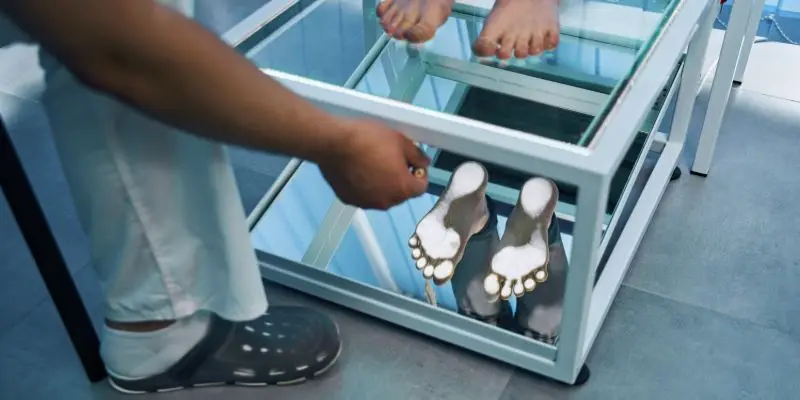
When you come to my studio, the first thing I do is listen. The story you tell me is already very meaningful. Then I watch how you walk, how you place your foot.
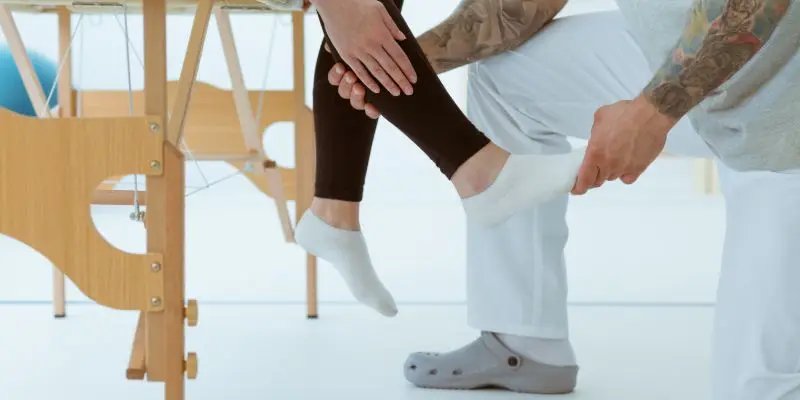
A clinical examination is essential. I press on the heel, move the foot in various directions, and check the flexibility of the ankle. There's a specific test I always do: the "windlass test." I bend my big toe backward while holding the ankle still. If this movement triggers the typical pain, it's very likely plantar fasciitis.
X-rays? I almost always do them, not to confirm plantar fasciitis, but to rule out other conditions. Stress fractures, heel spurs, osteoarthritis. Ultrasound can be useful to see inflammation of the fascia, but often the diagnosis is clear from the clinical exam alone.
Every now and then, a patient comes along who's been to a thousand doctors without a precise diagnosis. Sometimes the problem isn't just plantar fasciitis, but a combination of factors: Achilles tendinitis, posterior tibial dysfunction, or support issues. This is why a comprehensive evaluation is important.
Treatments: from conservative therapy to surgery
The good news? The vast majority of plantar fasciitis cases resolve without surgery. It does take patience, though.
Rest is the first step. It doesn't mean staying in bed, but avoiding activities that trigger the pain. If you run, take a break. If you walk a lot for work, try to reduce it when possible.
Ice is a great ally, especially in the evening. A small bottle of ice water placed under your foot for 15-20 minutes can provide relief. But be careful: never apply ice directly to the skin.
Stretching is essential. Specific exercises to lengthen the plantar fascia and Achilles tendon. I always show them to my patients: they're simple but effective. Do them in the morning before getting out of bed, and several times throughout the day.
Insoles? They can be very helpful, but they need to be well-made. Not the ones you buy at the supermarket. Custom-made insoles that correct your foot strike and relieve the plantar fascia. In my practice, we work with specialized orthopedic technicians for this very purpose.
Anti-inflammatory drugs provide temporary relief. I often prescribe them during acute phases, but they're not a long-term solution. They're there to quell the inflammation and allow other treatments to work better.
Cortisone injections? I use them sparingly. They can provide quick relief, but not always long-lasting. And there's a risk, albeit rare, of plantar fascia rupture.
Surgery is the last resort. We're talking about less than 5% of cases. When all conservative treatments have failed after at least 6-12 months, we can consider surgery. But I repeat: it's extremely rare to get to this point.
Recovery: What to Expect
“Doctor, how long does it take to heal?” That's the question everyone asks me. The honest answer? It depends.
In the simplest cases, with proper treatment, you can feel better in 6-8 weeks. But I've seen cases that took 6 months, and others that resolved in a few weeks.
What I always tell my patients is not to be discouraged if they don't see immediate improvements. Plantar fasciitis is stubborn, but if we're patient and consistent with treatment, it almost always resolves eventually.
It's normal to have ups and downs during recovery. One week it's better, the next worse. That doesn't mean you're not healing; it's the normal progression of this condition.
Prevention: better to avoid than to cure
The right shoes are the foundation of everything. Running shoes if you run, walking shoes if you walk a lot. They should have good arch support and heel cushioning. And change them regularly: after 500-600 kilometers, they're ready to be thrown away.
Daily stretching is a habit worth maintaining forever. A few minutes a day can prevent months of pain. Exercises for the calf, the Achilles, and the plantar fascia itself.
Body weight—we often talk about it, but it's important. Every pound lost means fewer pounds of stress on your feet. If you need to lose weight, do it gradually and choose sports that don't overstress your feet: swimming, cycling, aqua fitness.
SmartHallux: Where we can help you

Dr. Luigi Manzi, who has gained specific experience in this field, follows each patient with a personalized path using the most modern techniques.
The SmartHallux team treats conditions such as hallux valgus , Morton's neuroma , and other deformities that cause foot pain. Providing comprehensive support throughout the treatment process, SmartHallux can be a winning choice for effective treatment tailored to your needs. Book your specialist consultation with the SmartHallux team now (opens in a new tab).
Our strength is our rapid turnaround time: you won't have to wait months for an evaluation. And when conservative treatment isn't enough, we're ready with the most advanced surgical techniques.
FAQ
Doctor, is it true that plantar fasciitis affects women more?
Indeed, yes, but not by much. Women are slightly more affected, perhaps because of the shoes they often wear. Alternating high heels with flats isn't good for the plantar fascia.
If only one foot hurts, can the other hurt too?
Unfortunately, it can happen. Often, people start walking in a strange way to avoid the pain, and this can put extra strain on the other foot. This is why it's important not to ignore the problem.
Is it true that athletes heal faster?
Not necessarily. Athletes often have stronger and more flexible muscles, but they also tend to overdo it during recovery. Patience is essential, for everyone.