
Foot valgus: when the heel moves and the gait changes
Foot valgus means the heel leans outward and shoes wear down unevenly. Why it happens, how it changes the way you walk and when it needs treatment.
By Dr. Luigi ManziUpdated on
Have you ever noticed that your shoes wear more on one side? Or that your heels seem to "give" outward when you walk? It might not just be a matter of posture or fatigue. You could have a valgus deformity.
It's a much more common condition than you might think. And while it often begins silently, it can worsen over time, leading to pain, mobility difficulties, and problems with the knees, hips, and back. But living with it isn't inevitable: with the right diagnosis and personalized treatment, it can significantly improve your quality of life.
What is foot valgus?
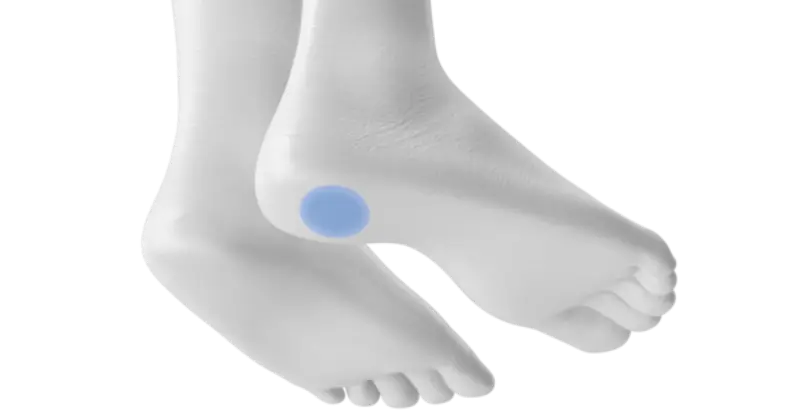
Valgus is a deviation in the axis of the foot: the heel tilts outward, while the forefoot rotates slightly inward. Essentially, the foot "collapses" inward, altering the support and altering the body's overall balance.
It can be present from childhood (congenital valgus), or develop over time due to obesity, joint diseases such as arthritis, trauma, or simply prolonged use of inappropriate footwear.
Symptoms you shouldn't ignore
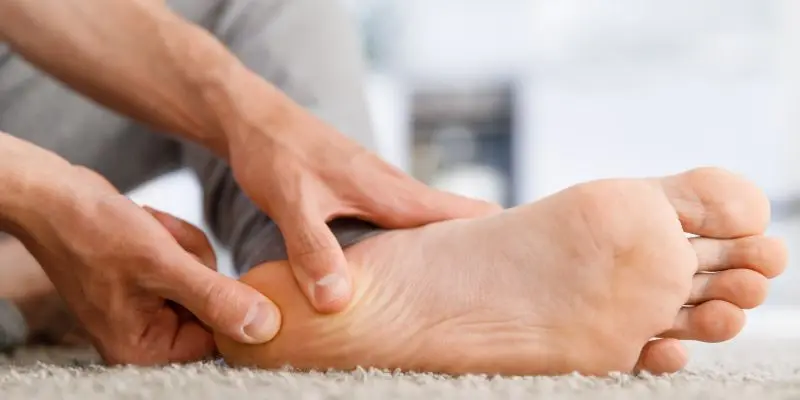
At first, valgus may go unnoticed. But over time, symptoms such as:
- heel or arch pain,
- ankle swelling,
- tiredness after short walks,
- joint stiffness or progressive deformities.
If you notice these signs, an orthopedic evaluation is the recommended next step.
How is the diagnosis made?
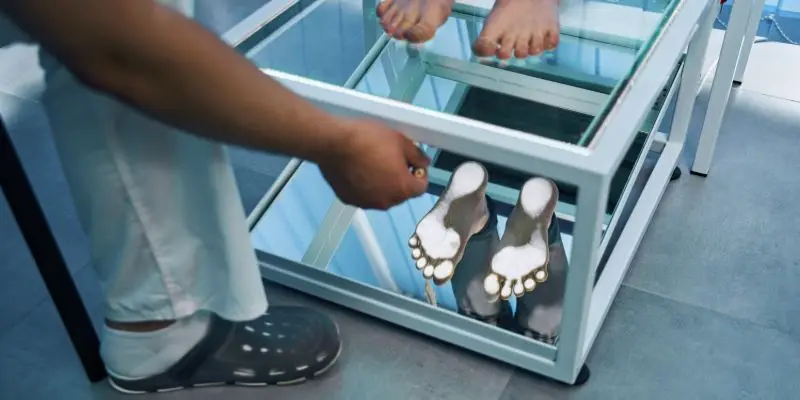
The diagnostic process begins with a physical examination , in which the doctor evaluates the axis of the foot, posture, and gait. When necessary, X-rays are performed to verify bone alignment, or more in-depth tests such as MRI are performed if tendon or joint damage is suspected.
Treatment: conservative or surgical?
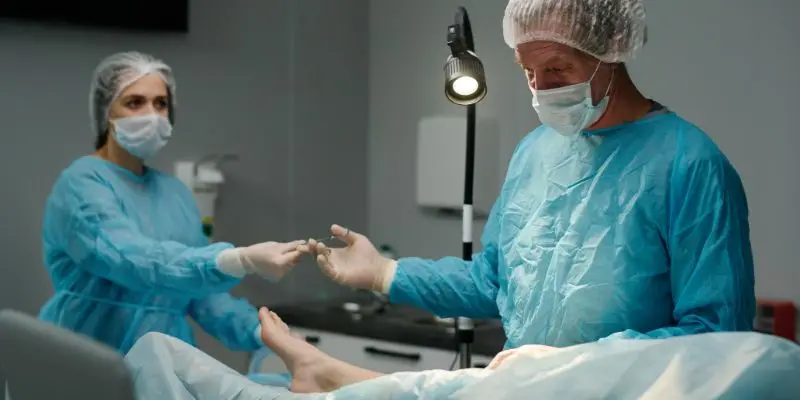
Not all cases of valgus require surgery. In mild or moderate cases, treatment is done to correct the position of the foot and relieve pain. This may include:
- the use of custom-made insoles,
- physiotherapy and stretching exercises,
- improved posture and walking,
- ergonomic and well-cushioned footwear.
When the deformity is severe, or the symptoms interfere with daily life, surgery is considered. Modern techniques, especially minimally invasive ones like those used by Dr. Luigi Manzi , allow for precise correction of the defect, reducing recovery times and post-operative risks.
Possible complications if valgus is left untreated
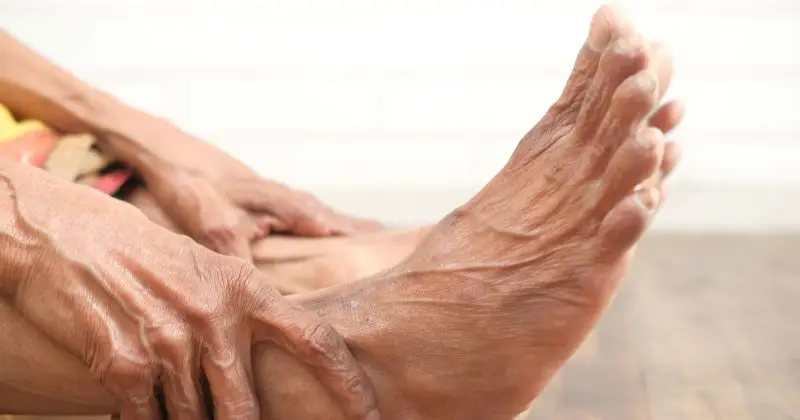
Ignoring valgus can lead to more serious consequences: chronic pain , early osteoarthritis of the foot and ankle joints, and increasing functional limitation . Over time, other joints can also be affected, with pain in the knee, hip, and back due to postural compensation.
Prevention starts at the base: the foot
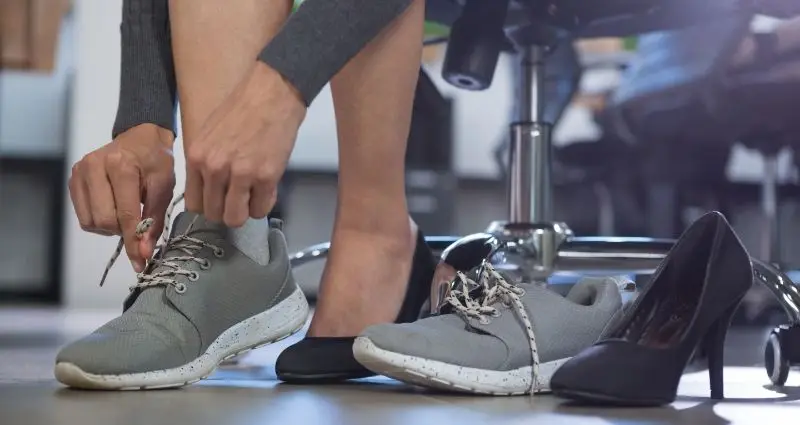
Choosing the right shoes, strengthening foot muscles with specific exercises, and maintaining a balanced body weight are three simple strategies to prevent or slow the worsening of valgus. Good postural hygiene, especially in children, can also make a difference in the long run.
SmartHallux: a reference for foot surgery

If you're looking for a safe and effective surgical solution , SmartHallux and Dr. Luigi Manzi offer an innovative and personalized approach. With minimally invasive techniques, rapid recovery times, and a network of specialized clinics throughout Italy, you can finally resolve your hallux valgus problem with peace of mind.
Foot valgus can be corrected. And the earlier you intervene, the easier the process will be. Dr. Luigi Manzi is available for a specialist consultation with a treatment plan tailored to your needs.
The SmartHallux team treats conditions such as hallux valgus , Morton's neuroma , and other deformities that cause foot pain. Providing comprehensive support throughout the treatment process, SmartHallux can be a winning choice for effective treatment tailored to your needs. Book your specialist consultation with the SmartHallux team now (opens in a new tab).
FAQ
What exactly is foot valgus?
It is a deviation of the heel outwards and the forefoot inwards, which alters posture and can cause pain.
Can it be corrected without surgery?
In mild cases or in children, yes. With insoles, physiotherapy, and suitable shoes, it can improve significantly.
When is surgery necessary?
When the pain is persistent, the foot becomes significantly deformed, or conservative treatments are no longer sufficient.