
Taping for Heel Pain: A Technique That Really Works
Taping for heel pain supports the arch and unloads the plantar fascia with each step. How it is applied, how long it is worn and when it is useful.
By Dr. Luigi ManziUpdated on
Have you ever felt that stabbing pain in your heel when you get out of bed in the morning? Well, that's heel pain. And if you're reading this article, you probably know exactly what I'm talking about.
Taping for heel pain is one of those techniques I see used more and more often in my practice, and I have to say the results still amaze me. It's simple, inexpensive, and most importantly, it works. But let's take it one step at a time, because there's a lot to say about this topic.
Heel Pain: When Your Heel Becomes Your Enemy
Heel pain, or plantar fasciitis to be more precise, is an inflammation of the band of tissue that runs under the sole of the foot, from the heel to the toes. Think of it as a stretched rubber band connecting the heel to the toes—when it becomes inflamed, every step becomes a nightmare.
You may have heard patients say, "Doctor, the first few steps in the morning are terrible, but then things seem to get better." This happens because the band "shortens" during the night, and when you suddenly reactivate it, it protests. It certainly does.
The causes? Well, there are many, and they often combine. Obesity puts more strain on the foot, obviously. The wrong shoes—those flip-flops you wear all day in the summer, for example. Advancing age and tissues that lose elasticity. Flat or high-arched feet. Improper or overly intense exercise after years of sedentary lifestyle. In short, the plantar fascia eventually buckles under pressure.
How does it manifest itself? Signs you can't ignore.
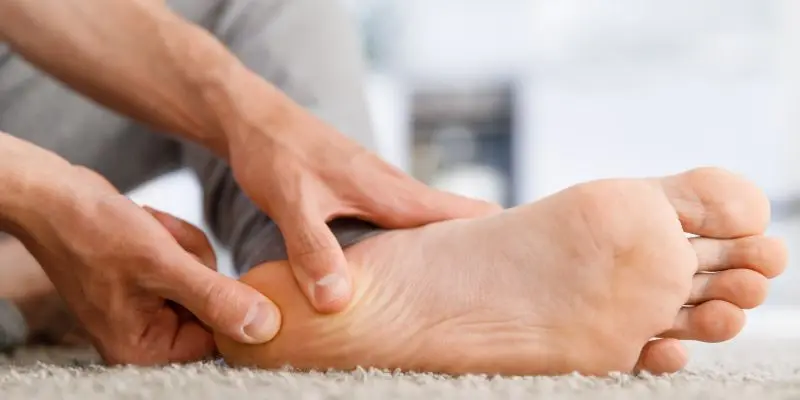
The pain of heel pain is unique. My patients describe it as "a twinge," "like walking on nails," or "a cutting pain." It's concentrated on the inside of the heel, right where the plantar fascia attaches to the calcaneus.
The worst time is always in the morning. The first steps out of bed? It's agony. Then, as you walk, it gets a little better. But if you sit for an hour and then get up, the pain returns. It's this intermittency that helps me diagnose it.
Sometimes the pain radiates down the entire sole of the foot, and some patients also complain of tightness in the calf or Achilles tendon. The human body, after all, is interconnected.
Diagnosing heel pain: what I do in the office
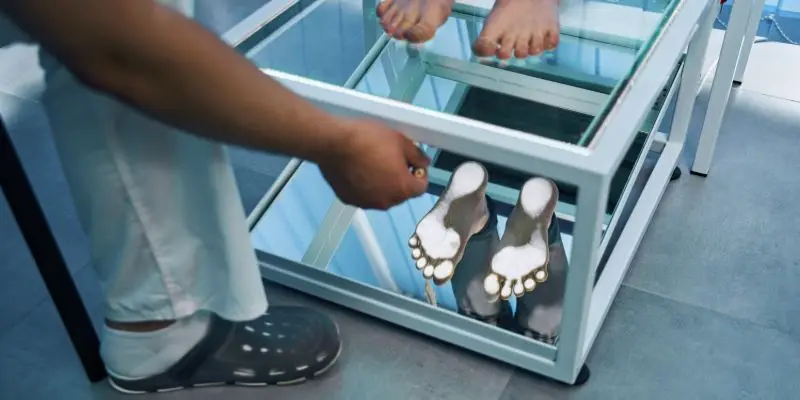
When a patient comes into my office with suspected heel pain, I often make the diagnosis by listening to their history. "Heel pain in the morning" is almost always plantar fasciitis.
Then, of course, I perform a physical exam. I palpate the heel, looking for the most painful spot—usually, it's exactly where the fascia attaches to the calcaneus. I flex the foot upward: if it hurts more, I confirm my suspicion. I check the arch of the foot, see how he walks, and examine his usual shoes.
Ultrasound helps us see inflammation and thickening of the fascia. X-rays? Only if I suspect a heel spur, that bony protrusion that sometimes forms on the heel. But be careful: a spur doesn't always mean pain, right?
Taping: An ancient technique for a modern problem
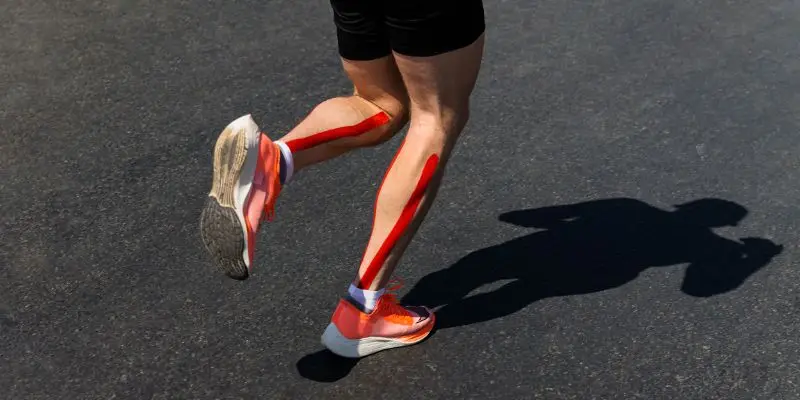
And here we are: taping for heel pain. It's a technique that's been around for decades, but in recent years it's seen a real boom, especially thanks to the colored kinesio tape you see on athletes.
How does it work? Properly applied tape supports the plantar fascia, reducing tension and inflammation. It's like giving the fascia a helping hand as it realigns itself. Heel taping creates a sort of "external support" that relieves the load on the inflamed fascia.
I see the benefits every day. Almost immediate pain reduction in many cases. Ability to walk better. Less morning stiffness. And most importantly, it's a treatment the patient can manage on their own once they've learned how.
The elastic, colorful kinesio heel taping has an added benefit: it stimulates proprioception, the body's sense of space. It's as if it "reminds" the foot how to move correctly.
How to apply: tricks of the trade
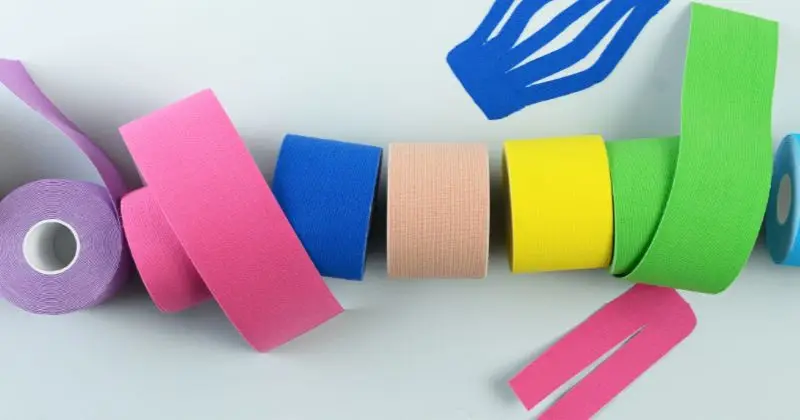
The materials are simple: special adhesive tape, scissors, and a little patience. The foot must be clean and dry. The important thing is to apply the tape with the foot in slight dorsiflexion—basically as if you were walking on your heels.
My preferred technique starts at the heel and moves toward the toes, following the course of the plantar fascia. There's a central strip and two lateral support strips. The tape should fit snugly but not too tightly—we're not wrapping a package, we're supporting delicate tissue.
How long will it last? The tape usually lasts 3-5 days if applied properly. When it starts to come off, it's time to replace it. Initially, you might want to have it applied by an experienced physical therapist, but then you can learn to do it yourself.
Not just taping: the complete approach to heel pain
But be careful: taping alone is often not enough. It's a tool, not a definitive cure. I always combine it with specific stretching exercises for the calf and plantar fascia. I also do exercises with a tennis ball under the foot. I also strengthen the intrinsic muscles of the foot.
The right shoes make all the difference. Flip-flops and completely flat shoes are out of the question. A minimum heel—2-3 cm—and good arch support are essential. Customized orthotics are often crucial.
In the most stubborn cases, we consider cortisone injections or shock waves. Surgery? It's the last resort, when everything else has failed.
SmartHallux: Where we can help you

Dr. Luigi Manzi, who has gained specific experience in this field, follows each patient with a personalized path using the most modern techniques.
The SmartHallux team treats conditions such as hallux valgus , Morton's neuroma , and other deformities that cause foot pain. Providing comprehensive support throughout the treatment process, SmartHallux can be a winning choice for effective treatment tailored to your needs. Book your specialist consultation with the SmartHallux team now (opens in a new tab).
For heel pain, our approach is always conservative initially. Taping is one of the first treatments we use, integrated into a comprehensive treatment plan.
FAQ
Does heel taping work right away?
Often, yes, many patients notice an improvement from the first day. It's not miraculous, but it provides relief while other treatments do their work.
Can I do this myself at home?
After learning the correct technique, absolutely yes. However, at first, seek guidance from an experienced professional.
Is kinesio taping better than regular tape?
It has advantages: it's more elastic, breathes better, and lasts longer. But even traditional tape works well if applied correctly.
How long should I keep it?
3-5 days per application. The full treatment can last weeks or months, depending on the case.