
Kinesio Taping for Plantar Fasciitis: Does It Really Help?
Kinesio taping for plantar fasciitis supports the arch and may ease heel pain in the short term. What the studies show, how it is applied and its limits.
By Dr. Luigi ManziUpdated on
Do you wake up in the morning and as soon as you step on the ground, you feel that terrible pain in your heel? Well, you probably have plantar fasciitis. It's a problem I see very often in my office—I'd say it's one of the most common causes of foot pain in adults.
Plantar fasciitis is the inflammation of the band of fibrous tissue that runs under the sole of the foot, from the base of the toes to the heel. Think of this band as a tight rubber band that helps maintain the arch of the foot. When it becomes inflamed, every step becomes a pain.
But today I want to talk to you about a technique that many patients ask me about: kinesio taping for plantar fasciitis. Does it really work? Is it worth trying? Let's see what my experience and the studies tell us.
What is this Plantar Fasciitis that hurts so much?
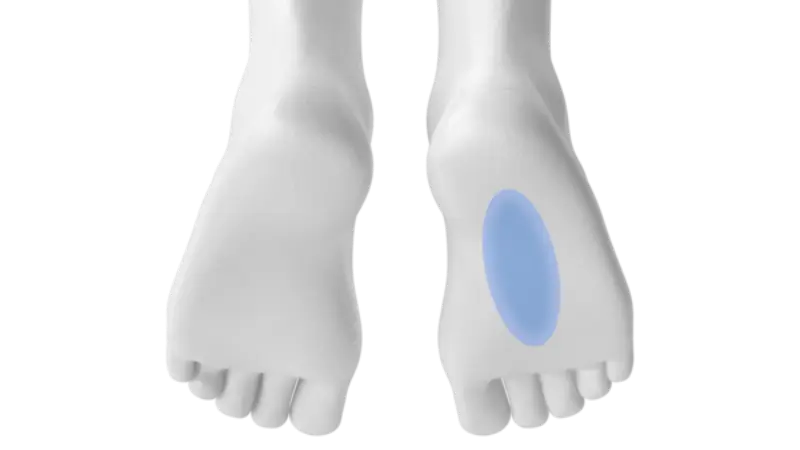
Plantar fasciitis is essentially an inflammation. The plantar fascia—the structure I mentioned earlier—becomes irritated and inflamed, causing pain that's typically worse in the morning or after prolonged sitting.
You may have heard people say, "It's a heel spur." Well, that's not quite right. A heel spur is something else entirely (a small bony growth), although the two conditions often go hand in hand. But the pain of plantar fasciitis comes from the inflammation of the fascia, not the spur.
Why Does Plantar Fasciitis Occur?
There are several causes that can trigger this problem. After all, the plantar fascia is subjected to considerable stress every day—consider that when you walk, it supports your entire body weight.
Age is a significant factor. After 40, the fascia loses elasticity and becomes stiffer. This is normal; it happens to all tissues in our body. Then there's being overweight—more weight means more stress on the fascia.
Flat feet or, conversely, those with a very pronounced arch are more predisposed. Those who participate in intense sports, especially running or jumping, are also at greater risk. I've seen many runners with this problem.
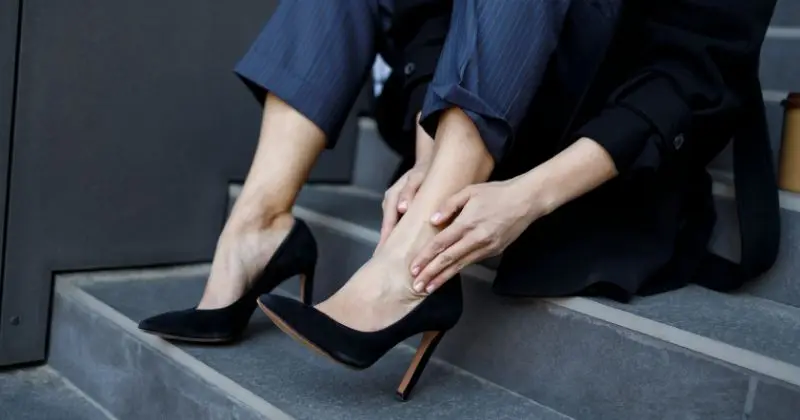
The wrong shoes? Absolutely. Shoes that are too flat, too worn, or, conversely, too high heels for too long can contribute to the problem.
Symptoms I Recognize Right Away
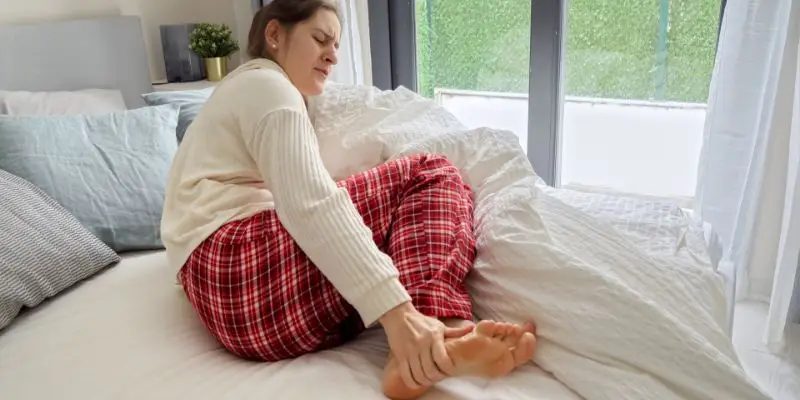
Heel pain in the morning is a classic symptom. Patients always tell me the same thing: "Doctor, the first few steps are torture, then little by little it gets better." That's exactly how plantar fasciitis works.
The pain may radiate along the arch of the foot. It often worsens after prolonged standing or physical activity, not during it. This is an important detail that helps with diagnosis.
Here's What I Do for Diagnosis
When a patient comes to me with these symptoms, I first listen to their story. "How long has it been hurting? How did it start? Does it get worse at certain times of the day?" This information is crucial.
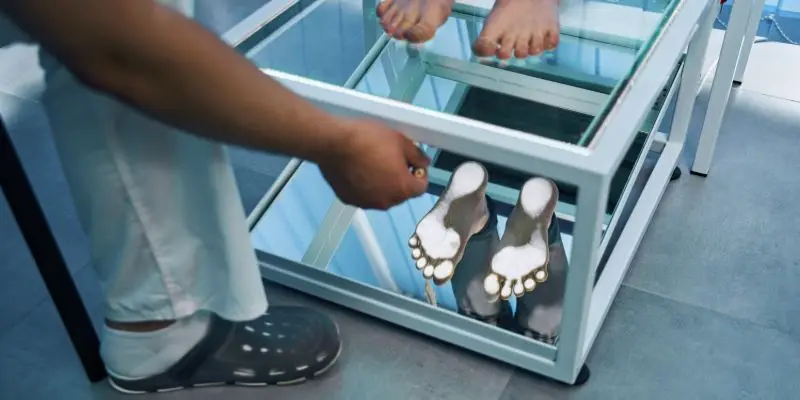
Then I examine the foot. I press on specific points to pinpoint the exact location of the pain. Plantar fasciitis has a typical point of pain, right where the fascia attaches to the heel.
Sometimes an ultrasound or X-ray is necessary, especially if I suspect other associated conditions, such as heel spurs. But in most cases, the diagnosis is clinical—an examination is sufficient.
Kinesio Taping: What It Is and How It Works
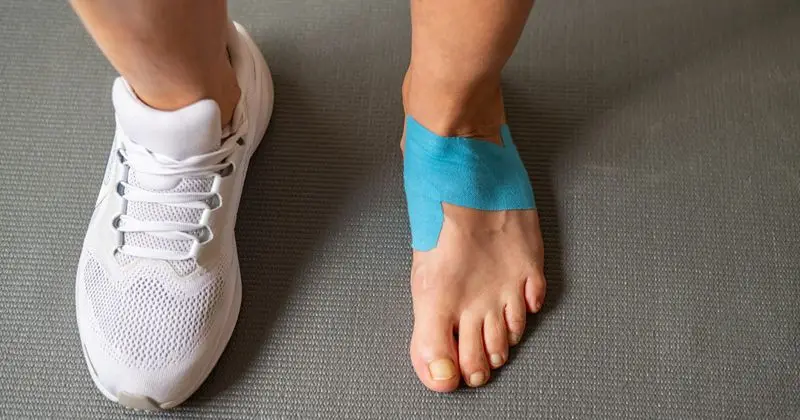
Now we come to kinesio taping. It's that colorful tape you see athletes wear on TV. It's not just a plaster—it's a special elastic tape that's supposed to mimic the properties of skin.
How does it work for plantar fasciitis? The idea is that the tape supports the plantar fascia, reducing tension and load on it. In theory, it should also improve local circulation and provide some pain relief.
The tape is applied in a specific way: usually starting from the heel and working down to the toes, following the course of the plantar fascia. Some physical therapists also use more complex techniques with multiple strips of tape.
The Theoretical Benefits of Kinesio Taping
According to its promoters, kinesio taping for plantar fasciitis should:
Provide pain relief by reducing pressure on the fascia. Improve proprioception—your sense of foot position. Facilitate lymphatic drainage and reduce local inflammation.
It all sounds pretty convincing, right? But let's see what the scientific studies actually say.
What Science Says About Kinesio Taping
To be fair, studies on the effectiveness of kinesio taping for plantar fasciitis have yielded conflicting results. Some show modest short-term benefits, while others find no significant difference compared to placebo treatments.
A recent systematic review concluded that the evidence of efficacy is limited and of low quality. In short, it's not the magic wand some would have you believe.
This doesn't mean it's useless for everyone. I've had patients who've experienced relief with taping. But let's be honest: the effect, when it occurs, is often modest and temporary.
How to Apply (but Better to Have a Professional Do It)
Correct application of kinesio taping is not trivial. It takes experience to place the tape with the right tension and at the right angle.
First, clean the skin thoroughly. Then apply the tape, starting from the heel, with the foot in dorsiflexion (toes pointing upward). The tape should follow the arch of the foot without creating creases or bubbles.
Tension is crucial: too little and it's useless; too much and it can cause circulatory problems. That's why I always recommend having an experienced physiotherapist perform it, at least the first few times.
How Long Does It Last and When to Change It?
Kinesio tape can be left on for 3-5 days. You can shower as usual—it's waterproof. When it starts to peel off at the edges or loses elasticity, it's time to replace it.
Don't leave it on for more than a week at a time. Your skin needs to breathe. If you notice any irritation, redness, or itching, remove it immediately.
Kinesio Taping Alone Is Not Enough
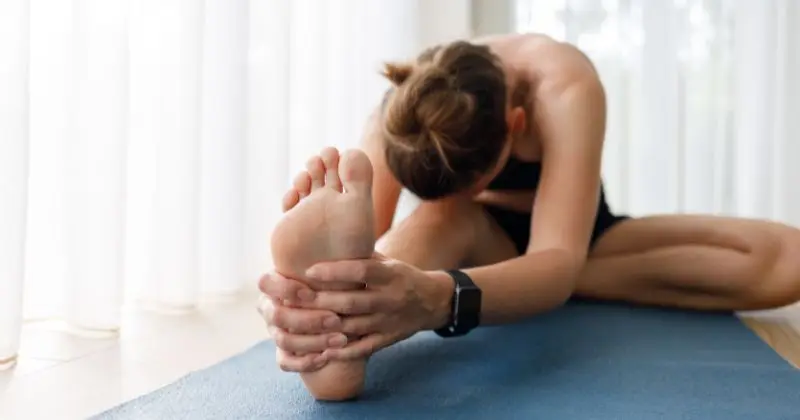
Here we come to the crucial point. Kinesio taping, if it works, is only temporary relief. To truly resolve plantar fasciitis, a more comprehensive approach is needed.
Stretching exercises are essential. Calf stretches, plantar fascia stretches, and exercises to strengthen the intrinsic foot muscles are essential. This is what really makes a difference in the long run.
Shockwave therapy often provides excellent results. Manual therapy, custom-made insoles, and sometimes anti-inflammatories during acute episodes. Kinesio taping may be a piece of the puzzle, but not the complete solution.
Risks and Contraindications

Kinesio taping is generally safe. The main risks are allergic reactions to the adhesive material and skin irritation. If you have particularly sensitive skin, be careful.
Do not use if you have open wounds, eczema, or other skin conditions in the area. If you have diabetes or circulatory problems, consult your doctor first.
SmartHallux: Where we can help you

Here at SmartHallux, we specialize in foot and ankle surgery. Dr. Luigi Manzi, who has extensive experience in this field, provides each patient with a personalized treatment plan using the most modern techniques for treating plantar fasciitis.
The SmartHallux team treats conditions such as hallux valgus , Morton's neuroma , and other deformities that cause foot pain. Providing comprehensive support throughout the treatment process, SmartHallux can be a winning choice for effective treatment tailored to your needs. Book your specialist consultation with the SmartHallux team now (opens in a new tab).
Questions you often ask me
Doctor, does kinesio taping really work for plantar fasciitis?
Look, it may provide temporary relief for some patients, but it's not a permanent cure. Scientific evidence is limited. It may be useful as a support during a more comprehensive rehabilitation program.
How do I put it on myself?
I advise against it. Proper application requires experience. It's best to have it applied by an experienced physical therapist, at least the first few times. Then, perhaps they can teach you.
Is it true that it can make the situation worse?
If applied incorrectly, with too much tension, it can restrict circulation. But in general, it's safe. The most common problems are skin irritation or allergic reactions.