
Plantar fasciitis and ice: does this old wives' remedy really work?
Ice for plantar fasciitis reduces heel pain and inflammation after activity, but it does not treat the cause. How to apply it, how long and what else helps.
By Dr. Luigi ManziUpdated on
"Doctor, my grandmother says to put ice on your foot. But does plantar fasciitis and ice really work?" It's a question I get asked at least three times a week in my office. And guess what? Grandma was right. At least partially.
Ice for plantar fasciitis is one of those natural remedies that can actually provide relief, but like all simple things, it must be used correctly. I'll explain how.
It's not as simple as throwing a couple of ice cubes on your foot and waiting for a miracle. Besides, if it were that easy, I wouldn't have patients limping down my office hallway.
What exactly is this blessed plantar fasciitis?
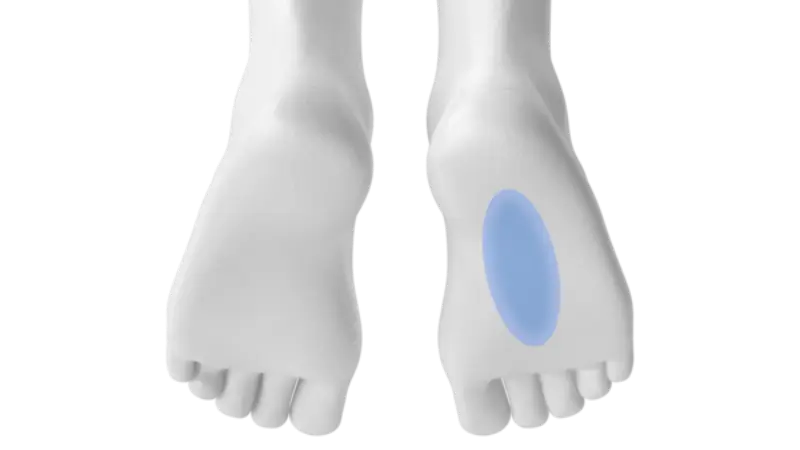
Imagine the plantar fascia as a thick rubber band. It runs from your heel to the sole of your foot, stretching all the way down to your toes. When you walk, this band continually stretches and contracts.
The problem arises when this "elastic band" is stretched too much. Maybe you've changed shoes, run more, gained weight, or simply have a foot that's not working properly. The fascia becomes irritated. It becomes inflamed.
And when it gets inflamed, it hurts. Really bad.
You may have heard patients describe the pain as "walking on nails" or "a knife in the heel." They're not exaggerating. That's exactly the sensation, especially in the morning when you put your foot down after a full night's sleep.
Why does plantar fasciitis occur?
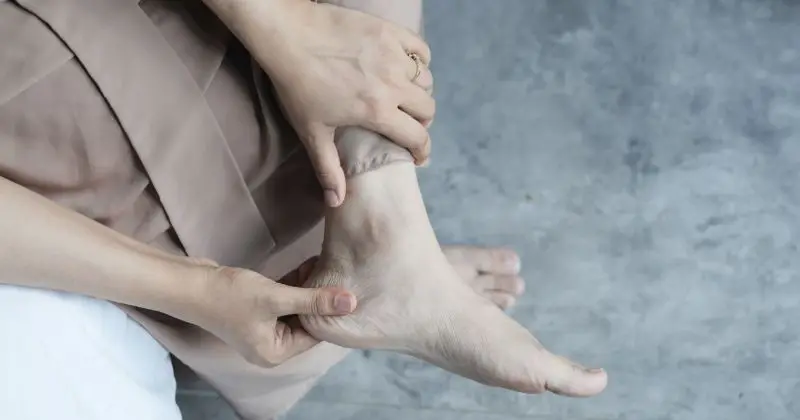
There are many reasons, and they often add up. I've seen runners who overtrained. People who started working on their feet for eight hours a day without gradually preparing their feet. Others who bought the wrong shoes—those completely flat ballet flats that look so comfortable but are a disaster for their feet.
Age plays a role. After forty, the plantar fascia becomes less elastic. It's like a rubber band that begins to harden: it breaks more easily.
Body weight? Absolutely. Every extra pound on your feet translates into greater pressure on the fascia. I'm not preaching; it's just physics.
How pain manifests itself

The pain typical of plantar fasciitis has specific characteristics that make it unmistakable. Morning is the worst time. You get out of bed, put your foot down, and... ouch! It feels like someone hammered a nail into your heel during the night.
Then, strangely, after a few steps, the pain subsides. The fascia "warms up" and becomes more bearable. But be careful: this doesn't mean it's healed. It's only temporary relief.
The other critical moment? After sitting for a long time. You get up from your office chair and the first steps are torture. The same mechanism as in the morning: the fascia has "cooled down" and reacts poorly to sudden movement.
How do I diagnose in my office?
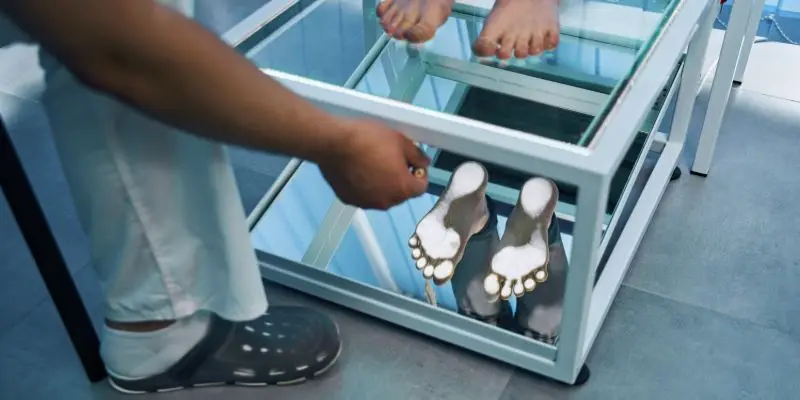
When a patient comes in with suspected plantar fasciitis, I often diagnose it by watching them walk: the way they land, the characteristic limp, the expression when their heel strikes the ground.
Then I feel the area. There's a specific spot, right where the fascia attaches to the heel, that's incredibly painful to the touch. "Is that where it hurts?" I ask, and the response is always the same: a jump in the chair and an "Ahhh, yes, right there!"
Sometimes an ultrasound is needed to confirm the thickening of the fascia. Rarely, an MRI is done, only if I have concerns about other conditions. But in most cases, the diagnosis is clinical: typical symptoms, pain in the right place, and a history that fits perfectly.
Ice: How to Really Use It
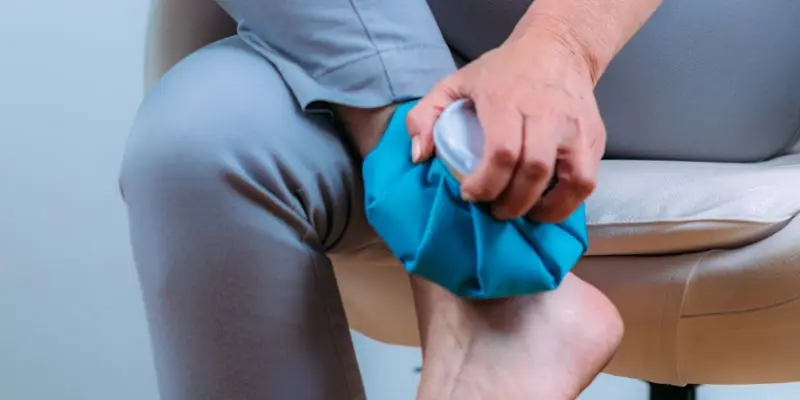
Here's the thing. Ice works because it reduces local inflammation and temporarily numbs the area. But you can't just grab a bag of frozen peas and put them on your foot and expect great results.
The right technique? Take a small bottle of water, fill it, and put it in the freezer. Once it's frozen, wrap it in a thin towel. This will allow you to massage the sole of your foot by rolling the bottle back and forth. It's a cold massage: you combine the anti-inflammatory effect of ice with the stretching of the fascia.
How long? Fifteen to twenty minutes, no more. Three times a day is ideal. More isn't necessary, and less is ineffective.
But be careful: ice isn't a permanent solution. It's a natural painkiller, a way to manage symptoms while addressing the underlying cause.
Other remedies that really work
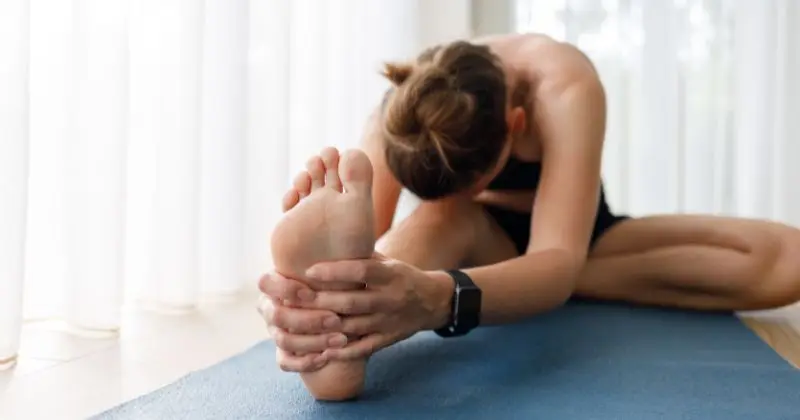
Stretching is essential. Specifically, stretching the plantar fascia and Achilles tendon is essential. Many patients neglect this part, but it's essential for true healing.
Insoles? Often useful, but they must be custom-made. The ones from the supermarket rarely solve the problem. It's like buying glasses at the market: they might work for some people, but usually not.
Anti-inflammatory drugs can provide temporary relief, especially in the acute phase when the pain is unbearable. But they're not a cure; they're a supportive measure.
How to reduce plantar fasciitis inflammation over time

Healing requires patience. There's no quick fix that makes everything go away in a week. It usually takes three to six months for complete healing, if everything is done right.
Relative rest is important. I'm not saying you shouldn't walk anymore, but avoid activities that worsen the pain. Running on asphalt? Better not for a while. Long walks? Maybe put them off.
Prevention is better than cure
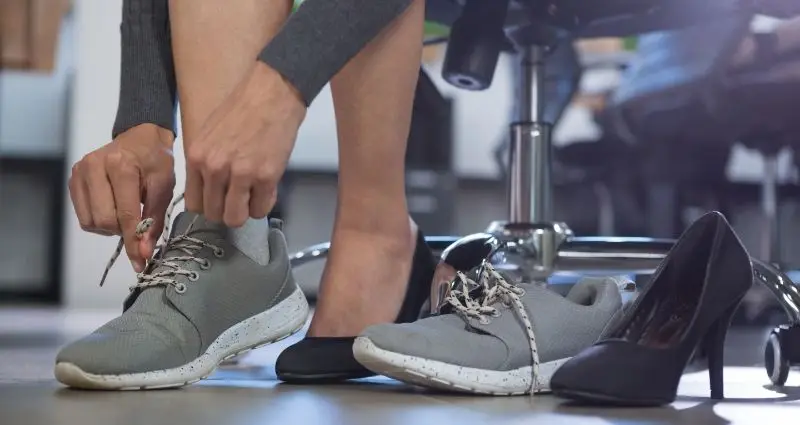
The right shoes make all the difference. Neither too flat nor too high-heeled. A small heel lift (2-3 cm) and good arch support. And above all: replace them when they're worn out. I've seen fasciitis develop from shoes that were worn for years and no longer provided any cushioning.
Body weight matters. Every pound lost means fewer pounds on your feet. Simple but effective.
SmartHallux: Where we can help you

Dr. Luigi Manzi, who has gained specific experience in this field, follows each patient with a personalized path using the most modern techniques.
The SmartHallux team treats conditions such as hallux valgus , Morton's neuroma , and other deformities that cause foot pain. Providing comprehensive support throughout the treatment process, SmartHallux can be a winning choice for effective treatment tailored to your needs. Book your specialist consultation with the SmartHallux team now (opens in a new tab).
Surgery for plantar fasciitis is a last resort, when all other conservative treatments have failed. But when necessary, modern techniques are much less invasive than they once were.
FAQ
Doctor, but should ice always be applied, even when it doesn't hurt?
No, ice is mainly used in the acute phase, when there is pain and inflammation. If you have no symptoms, ice is not necessary.
How long does this damn plantar fasciitis last?
It depends on many factors: how severe it is, how long you've had it, and whether you've received the right treatments. On average, with proper care, it resolves in three to six months. But I've seen cases resolve faster, and others take longer.
Can I keep running?
It depends on the pain. If you're limping, it's best to take a break. If the pain is bearable and doesn't get worse with running, you can continue, but reduce the intensity and monitor the progress.