
Ice for heel pain: does it really work?
Ice for heel pain reduces inflammation and gives relief in the acute phase, but it does not treat the cause. How to apply it, how often and what else helps.
By Dr. Luigi ManziUpdated on
How many times have I heard this question in the office! "Doctor, can I put ice on my sore heel?" It's one of the first things that comes to mind when you feel pain, right? You put ice on it and hope it goes away. But does it really work for heel pain?
I'll tell you right away that ice for heel pain can be a valuable ally. It doesn't solve everything, that's clear. But used correctly, it can provide significant relief, especially during acute phases when the pain is most intense.
Heel pain, for those unfamiliar with it, is essentially an inflammation of the heel area. It can involve various tissues: the plantar fascia (the band of tissue that runs from the heel to the toes), the Achilles tendon, or the soft tissue around the heel bone.
What exactly is heel spur?

Let's see what we're talking about. Heel pain isn't a single condition, but rather an umbrella term that encompasses several heel problems. Think of it as a warning signal your foot is sending you.
The pain can present itself in different ways. Some patients describe a sensation like a nail stuck in their heel. Others describe a dull, constant ache. Some feel as if they're walking on rocks, even on smooth surfaces.
The most affected area? Usually the underside of the heel, where the plantar fascia attaches. But be careful: the pain can also radiate toward the arch of the foot or up toward the ankle. This is why an accurate diagnosis is essential.
Why do we get heel pain?
There are many causes, and they often combine. Age plays a significant role: over the years, the plantar fascia loses elasticity, much like a rubber band that wears out. But it's not just a question of age, eh?
I've seen heel pain in very young athletes who had trained too intensely. And in people who had suddenly changed their footwear. Or who had gained weight. Being overweight, after all, puts constant stress on the foot.
Foot type also matters. Flat feet or those with very pronounced arches are more predisposed. The wrong shoes are also a very common cause. Heels that are too high, soles that are too flat, shoes that are badly worn… the feet suffer immediately.
Symptoms You Can't Ignore

Morning pain is classic. You get out of bed, put your foot down, and... ouch! A stabbing pain. Then, after the first few steps, it seems to improve. This happens because during the night the fascia "shortens" and is suddenly stretched when you wake up.
Other patients tell me about pain after sitting for long periods. They get up from their desks and struggle to walk normally for the first few minutes. Some feel discomfort during physical activity, others afterward.
Sensitivity to touch is another important sign. If you press your finger on the bottom of your heel and feel pain, you may have heel spurs. Swelling and redness may accompany the pain, but they aren't always present.
How do I diagnose?
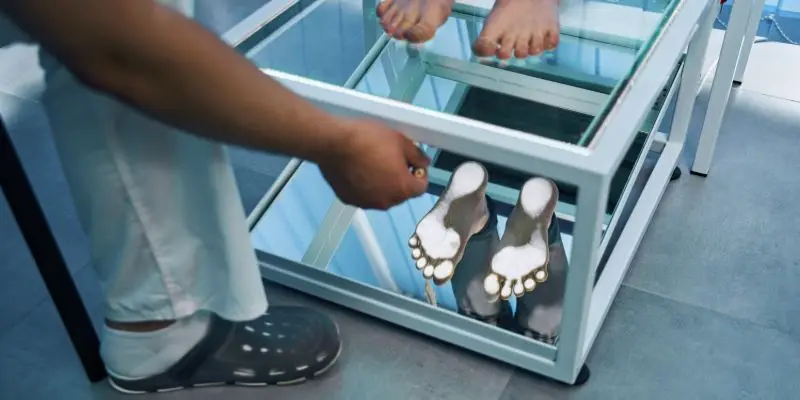
When a patient comes to me with suspected heel pain, the first thing I do is listen carefully to their history. When did the pain start? What time of day is it worse? What triggers it? This information already tells me a lot.
Then I move on to the physical exam. I check how she walks, look at the shape of her foot, and check the flexibility of her ankle. Palpation is crucial: I gently press on various points to pinpoint the exact source of the pain.
If I have any doubts or the picture is unclear, I can request instrumental tests. An ultrasound clearly shows the condition of the soft tissues. An X-ray can rule out fractures or heel spurs. In specific cases, an MRI provides a complete, detailed picture.
Ice: How and When to Use It

Let's get to the point. Ice can be very effective, but it must be used wisely. The more you apply, the better! Applying cold reduces inflammation, decreases swelling, and has a natural analgesic effect.
The correct method? Wrap the ice in a thin towel. Never apply it directly to your skin! Apply for 15-20 minutes at a time, several times a day. I recommend doing it after exercise, in the evening before bed, and in the morning if the pain is severe.
A question you often ask me: "Doctor, should I apply ice or heat to my heel pain?" It depends on the stage! In the acute phase, when there's active inflammation, ice is preferable. Later, when the inflammation has subsided, heat can help relax the tissues and improve circulation.
Beware of cold side effects. If you have circulatory problems, diabetes, or neuropathy, consult your doctor first. In any case, if your skin becomes excessively red or you feel excessive numbness after application, discontinue use immediately.
Other treatments that work
Rest is essential, especially in the early stages. It doesn't mean staying completely still, but avoiding activities that trigger the pain. If you run regularly, you may need to take a break for a few weeks.
The right shoes make all the difference. Shock-absorbing soles, arch support, and a 2-3 cm heel. Avoid flat ballet flats and badly worn shoes. Insoles can be helpful, but must be custom-made after a specialist assessment.
Stretching exercises are invaluable. Stretching the plantar fascia and calf muscles helps a lot. Anti-inflammatories can also provide relief, but always under medical supervision and for limited periods.
How to prevent heel pain
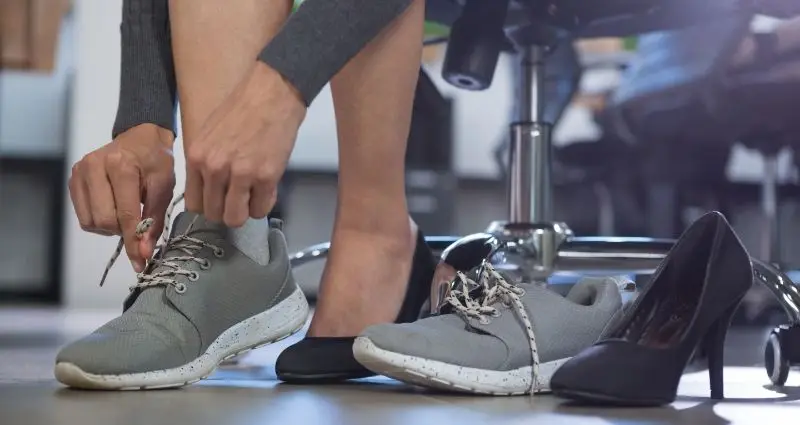
Prevention starts with shoes. Replace worn-out ones and choose appropriate footwear for each activity. If you play sports, gradually increase the intensity of your workouts. Warming up and stretching are not optional!
Maintain a healthy body weight. Every extra pound puts pressure on your feet. If you work on your feet for long hours, use shock-absorbing mats and take frequent breaks. Vary your posture and move around when you can.
Strengthening exercises for the foot and leg muscles are very useful. Even walking barefoot on uneven surfaces (beach, grass) stimulates the plantar muscles.
When to worry
If the pain persists beyond 2-3 weeks despite conservative treatments, it's time to consult a specialist. Other warning signs include progressively worsening pain, significant swelling, changes in sensation, and difficulty walking normally.
In severe and resistant cases, more advanced treatments exist. Shock waves, infiltrations, and minimally invasive surgical techniques are among them. But these options must be evaluated on a case-by-case basis, when all else fails.
SmartHallux: Where we can help you

Here at SmartHallux, we specialize in foot and ankle surgery. Dr. Luigi Manzi, who has extensive experience in this field, provides each patient with a personalized treatment plan using the most modern techniques.
We offer a comprehensive approach: from precise diagnosis to the most advanced surgical solutions when necessary. Our philosophy is always to start with the least invasive treatments, reserving surgery only for cases that don't respond to conservative therapies.
The SmartHallux team treats conditions such as hallux valgus , Morton's neuroma , and other deformities that cause foot pain. Providing comprehensive support throughout the treatment process, SmartHallux can be a winning choice for effective treatment tailored to your needs. Book your specialist consultation with the SmartHallux team now (opens in a new tab).
Questions you often ask me
Can I continue to play sports with heel pain?
It depends on the intensity of the pain. If it's mild and doesn't worsen during activity, you can continue, reducing the intensity. If the pain increases, it's best to stop. You risk making the problem chronic.
How long does it take to heal?
Highly variable. In acute forms, with the right treatment, you can feel better in 2-4 weeks. Chronic cases can take months. Consistency in following treatment makes the difference.
Should ice be applied before or after physical activity?
Later is better. Heat before exercise can be more helpful in preparing the tissues. Ice after exercise helps control any inflammation.