
Percutaneous technique for heel spurs: when heel pain has a minimally invasive solution
The percutaneous technique for heel spurs releases the plantar fascia through a tiny incision, with no open surgery. How it works, who it suits and recovery.
By Dr. Luigi ManziUpdated on
Do you get out of bed in the morning and the first step feels like a stab in your heel? I know this feeling well. It's one of the most annoying pains there is, and those who suffer from it often tell me, "Doctor, it feels like walking on nails."
Heel spurs are just that: a problem that turns even the first steps of the day into an ordeal. But today I want to tell you about a solution that works really well in many cases: the percutaneous technique for heel spurs.
What exactly is this “thorn”?
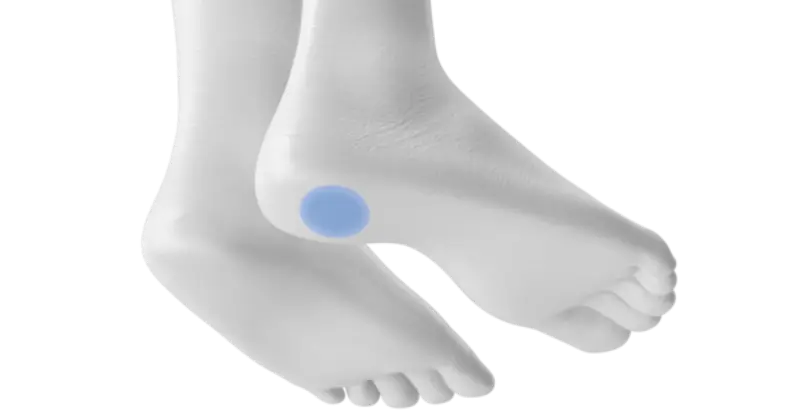
Let's start with the basics. A heel spur is nothing more than a calcification that forms on the heel bone, the calcaneus. Imagine a small bone spur sticking out right where the plantar fascia attaches—the band of tissue that runs under the sole of the foot.
Now, the name can be misleading. It's not the thorn itself that hurts. The real problem is the inflammation of the surrounding tissues. Plantar fasciitis, often associated with heel spurs, is the real culprit behind that excruciating pain.
Besides, I've seen patients with huge spines on X-rays who'd never felt pain, and others with small calcifications who were in terrible pain. The human body is strange, isn't it?
Why does this blessed thorn form?
There are various causes, and they often combine. Overuse is the primary culprit. If you're overweight, if you stand a lot for work, or if you play sports on hard surfaces, the plantar fascia is under constant stress.
Age plays its part. After 40, tissues lose elasticity. It's normal; it's part of the equation. Then there are flat or high-arched feet, the wrong shoes (those completely flat ballet flats are deadly), and a stiff Achilles tendon.
Sometimes it doesn't take much: a patient told me it all started after a long walk in slippers during the holidays. "I didn't think it could hurt this much," he said.
The symptoms you never get wrong
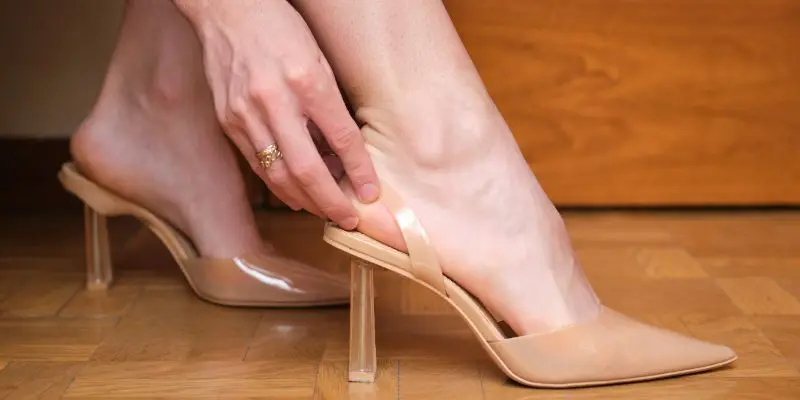
The pain of heel pain is unmistakable. It's especially noticeable in the morning, with the first steps. It's as if your foot is "rusty" after a night's rest. Then, as you walk, it gets a little better. But don't stand still for half an hour and then start again: the pain returns promptly.
The pain is always the same: the inside of the heel, toward the arch. Some patients describe it to me as "a nail stuck in the foot," others as "a burning sensation." The pain can radiate along the entire sole of the foot.
How do I diagnose?
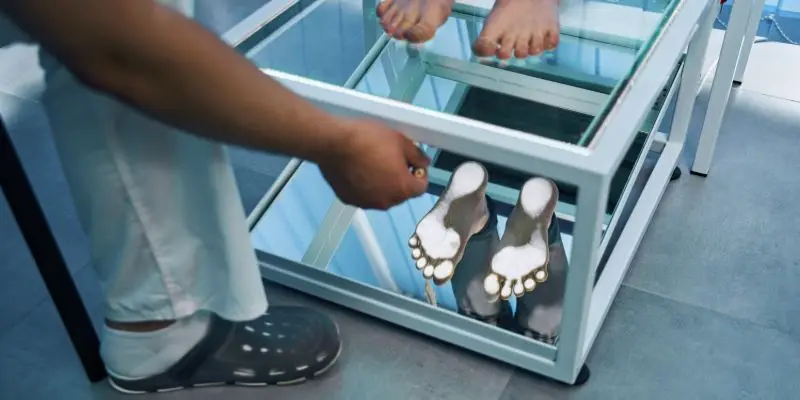
When you come to the studio, the first thing I do is listen to your story. When did it start? How does it hurt? Does it get worse at certain times? Then I have you walk around and watch how you place your foot.
A clinical examination is crucial. I press with my finger right where the plantar fascia attaches to the heel. If you jump in pain, well, we're on the right track. I also check the elasticity of the Achilles tendon, because the two problems often go hand in hand.
An X-ray confirms the diagnosis by showing a heel spur, but remember: there's not always a direct correlation between the size of the spur and the intensity of the pain. Sometimes I also perform an ultrasound to assess the level of inflammation in the soft tissues.
Treatment options
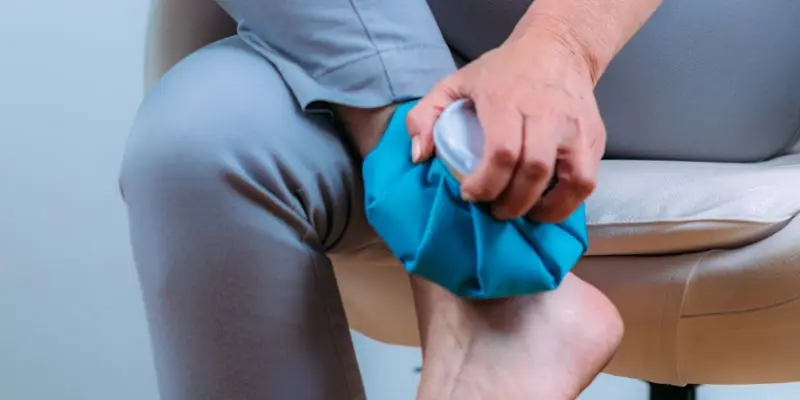
Before considering surgery, we always try conservative therapies. Rest, ice, anti-inflammatories. Custom insoles often work very well—they relieve the painful area and redistribute the load.
Physical therapy is important for stretching the plantar fascia and Achilles tendon. There are specific exercises that, when performed consistently, yield remarkable results. Extracorporeal shock waves are another effective option for stimulating healing.
But when all this isn't enough? That's where the percutaneous technique comes in.
The percutaneous technique: a minimally invasive procedure that changes the rules
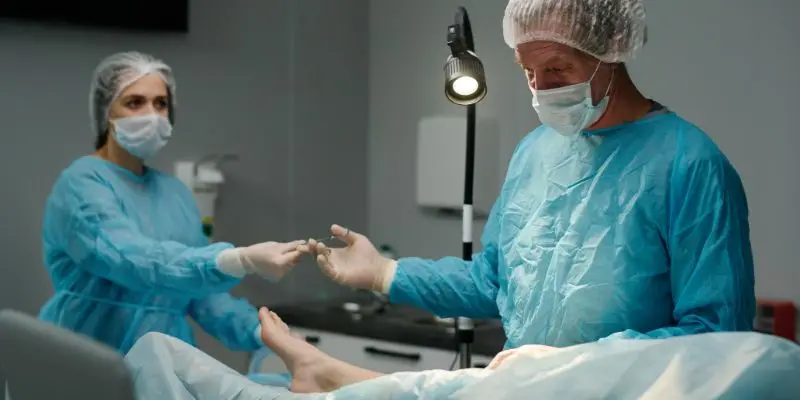
This is the interesting part. The percutaneous technique for heel spurs is a minimally invasive procedure that I perform as a day surgery procedure, often under local anesthesia.
How does it work? Through small holes just a few millimeters long, I use specialized instruments to "fragment" the heel spur and free the plantar fascia from adhesions. It's a bit like unblocking a jammed mechanism, but from the inside.
The advantages over traditional surgery are clear: no large incisions, faster recovery times, and less post-operative pain. Patients can go home the same day, wearing a special shoe.
It's not magic, let's be clear. The technique has its limitations. It's not suitable for all cases, and in inexperienced hands it can cause complications. That's why it's essential to rely on a surgeon who truly knows it well.
Recovery: What to Expect
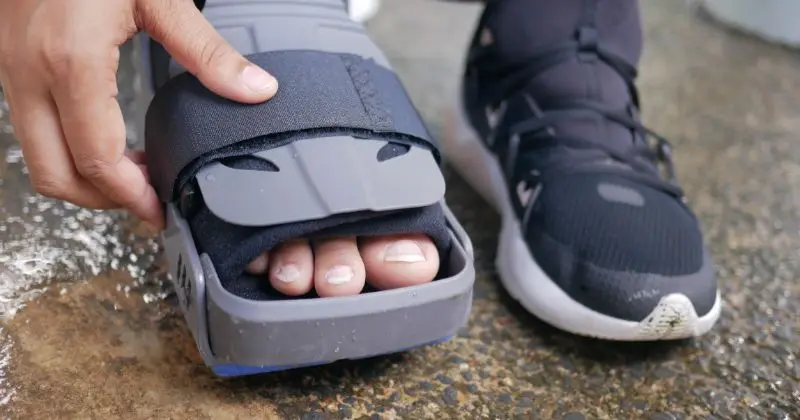
In the first few days after percutaneous surgery, you'll need to wear a post-surgical shoe and limit your weight-bearing. There will be pain, but it's different from the pain before surgery—less severe, more manageable.
After a week, you'll begin gentle physiotherapy. The goal is to gradually regain mobility and strength. I typically see patients return to normal walking within 3-4 weeks, while sports activities take a couple of months.
One thing I always say: every person is different. I've had patients who were already feeling great after 15 days, others who took longer. The body has its own pace, and it must be respected.
SmartHallux: Where we can help you

Here at SmartHallux, we specialize in foot and ankle surgery. Dr. Luigi Manzi, who has extensive experience in this field, provides each patient with a personalized treatment plan using the most advanced techniques, including percutaneous surgery for heel spurs.
The SmartHallux team treats conditions such as hallux valgus , Morton's neuroma , and other deformities that cause foot pain. Providing comprehensive support throughout the treatment process, SmartHallux can be a winning choice for effective treatment tailored to your needs. Book your specialist consultation with the SmartHallux team now (opens in a new tab).
Questions you often ask me
Doctor, how long does the surgery last?
The percutaneous technique takes about 30-45 minutes. It's quick, but no less precise. Every step must be carefully considered.
Will it hurt again?
If we address the problem properly and follow the post-operative instructions, recurrences are rare. But be careful: if you return to the old habits that caused the problem, there's a risk.
Can I walk right away?
Yes, with the post-surgical shoe, you can put your foot on the ground right away. In fact, gradual mobilization helps with healing.
Is the surgery painful?
Local anesthesia covers the pain well during the procedure. There's some discomfort in the days following the procedure, but it's much more tolerable than the chronic pain you had before.