
Heel spurs and shockwaves: how to eliminate pain without surgery
Shockwave therapy for heel spurs uses acoustic pulses to stimulate healing and reduce pain under the heel. How it works and when it is advised.
By Dr. Luigi ManziUpdated on
Have you ever felt a sharp pain in your heel as soon as you put your foot down in the morning? That sharp sensation that doesn't seem to go away, even after hours of standing or at the end of the day? It could be a heel spur , one of the most common causes of heel pain.
Fortunately, there is an effective, non-invasive solution: shock waves . A quick, painless treatment that is increasingly used as an alternative to surgery, in this article titled "Heel Spurs and Shock Waves" we discover what it is.
What is heel spur?
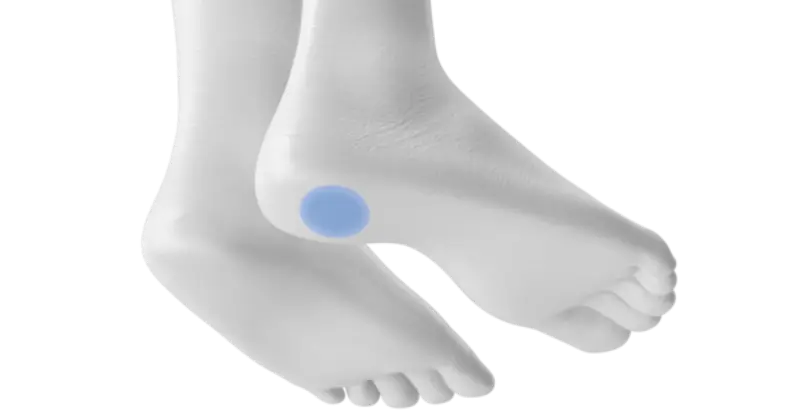
A heel spur is a small bony growth that forms on the heel, where the plantar fascia attaches to the heel bone. It is often linked to conditions such as plantar fasciitis , excessive pronation, or prolonged use of ill-fitting footwear.
The most common symptoms? Localized pain, especially upon awakening or after long periods of inactivity, heel stiffness, swelling, and sensitivity to touch.
How do shock waves work?

Shockwave therapy for heel spurs is a high-energy acoustic pulse applied directly to the painful area. It stimulates local metabolism, improves circulation, and initiates a natural tissue repair process. In other words, it helps the body "heal itself."
Treatment is indicated when other approaches such as rest, medications, or insoles have not given satisfactory results.
Why choose shock waves?
The advantages of this treatment are numerous:
- It is non-invasive: no scalpels, stitches or anesthesia.
- It's painless: only a slight discomfort is felt during the session.
- It has a high efficacy even in chronic cases.
- Reduces recovery times compared to surgery.
- It's cheaper of surgery, with excellent clinical results.
How does a session take place?
The patient lies down or sits comfortably. The area to be treated is located manually or with ultrasound. The doctor applies shock waves via a probe connected to the machine.
Each session lasts about 10-15 minutes. Afterward, you can immediately return to your normal activities, avoiding strenuous activity for a few days.
Alternatives? They exist, but they're not always the first choice.
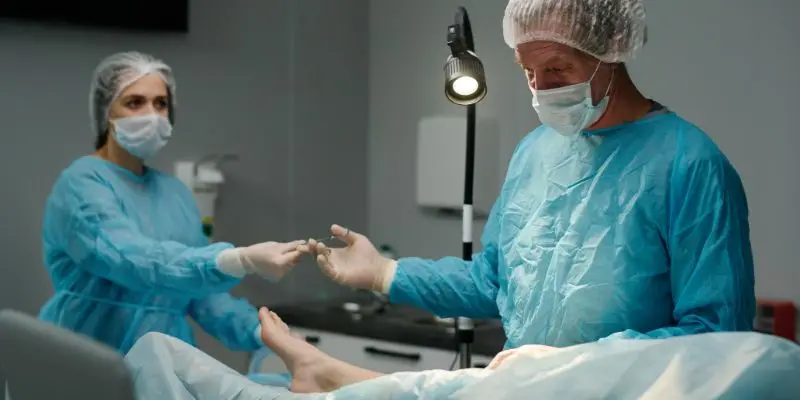
Anti-inflammatory drugs, injections, physiotherapy, or surgery are other options. However, shockwave therapy for heel spurs is currently considered one of the most effective, safe, and conservative treatments available.
SmartHallux: Want to get rid of heel pain?

It's essential to rely on a professional who is experienced in foot care. Dr. Luigi Manzi , a foot and ankle surgery specialist, and the SmartHallux team use cutting-edge focal shockwaves, customizing each treatment to each patient.
Have you tried medications and insoles but the pain won't go away? Want to know if shockwave therapy is the right solution for you?
The SmartHallux team treats conditions such as hallux valgus , Morton's neuroma , and other deformities that cause foot pain. Providing comprehensive support throughout the treatment process, SmartHallux can be a winning choice for effective treatment tailored to your needs. Book your specialist consultation with the SmartHallux team now (opens in a new tab).
FAQ
What causes heel spurs?
Repeated microtraumas to the plantar fascia, excessive pronation, ill-fitting shoes, or obesity.
What does the pain feel like?
Acute in the morning or after rest, worsens with prolonged standing.
Do shock waves hurt?
No. They may cause some discomfort, but they do not require anesthesia.