
Painful bunions: how to recognize them, prevent them, and get back to walking without pain.
If your big toe begins to deviate, the “bunion” on the side of your foot becomes more and more noticeable, you may be dealing with a painful bunion.
By Dr. Luigi ManziUpdated on
Sometimes the discomfort starts slowly, so you almost don't notice it. Then you feel a sharp pain while walking, perhaps in tight shoes. The big toe begins to deviate, and the "bunion" on the side of the foot becomes increasingly visible. If you're experiencing this, you may be dealing with a painful bunion.
This condition isn't just aesthetic: when pain sets in, even the simplest activities like walking, climbing stairs, or choosing a pair of shoes become a challenge. But there's good news: today, there are several solutions to address it and get back to moving without discomfort.
What is bunions and why can they become painful?

Hallux valgus is a deformity of the joint at the base of the big toe, which tends to push the toe toward the other toes. Over time, the bony protrusion (the so-called "bunion") becomes inflamed and enlarged, causing pain, swelling, and redness . In more severe cases, the entire structure of the foot changes, affecting balance and walking.
Among the most common risk factors are:
- genetic predisposition
- prolonged use of tight or high-heeled shoes
- flat feet
- overweight
- rheumatic diseases like arthritis
Can painful bunions be prevented?
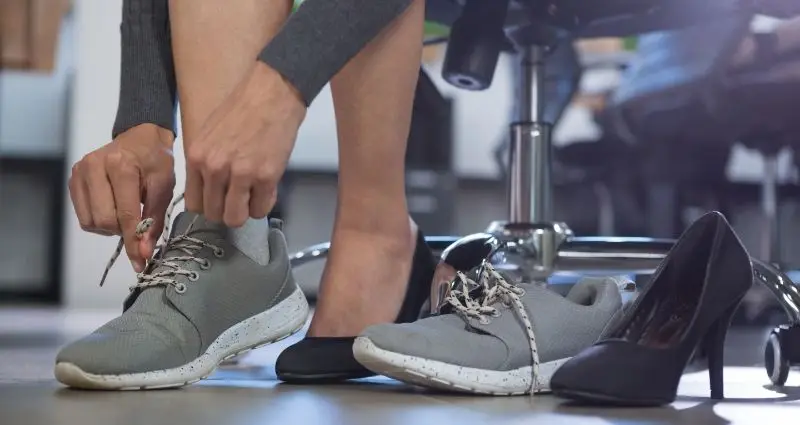
Yes, even with small adjustments. Wearing shoes with a wide toe box and the right arch support is the first step. It's also helpful to avoid standing for too long without a break and, if you're predisposed, start immediately with custom insoles or orthotics to slow the progression of the deformity.
Doing exercises to strengthen the foot muscles or maintaining good posture can help reduce the load on the big toe and keep the joint more mobile.
How is it diagnosed?
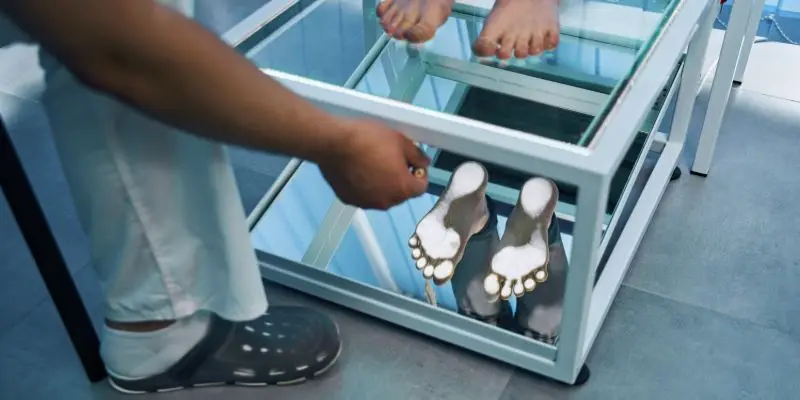
The orthopedic doctor can determine a lot from the initial examination. Typically, he or she will observe the angle of deviation of the big toe, assess its mobility, and ask about when and how much it hurts. If necessary, tests such as:
- weight-bearing X-rays
- ultrasounds to evaluate inflammation or bursitis
- resonances in the most complex cases
And how is it treated?
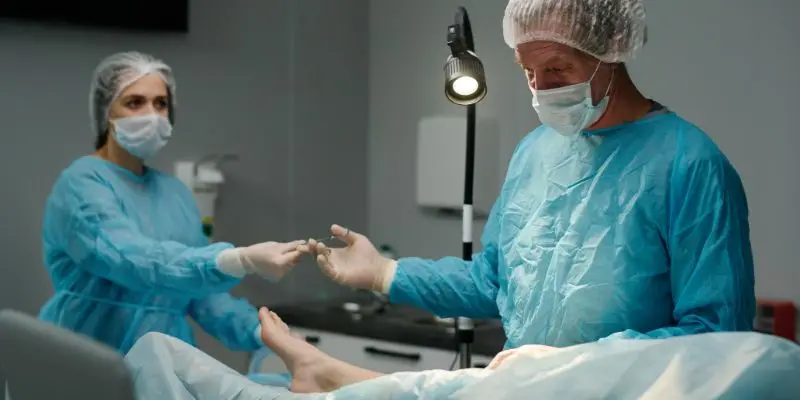
It depends on the severity. If the pain is intermittent and the big toe is still flexible, you can start with:
- Comfortable, roomy, low-heeled shoes
- Custom-made insoles or orthoses
- Anti-inflammatory drugs in times of crisis
- Local therapies, such as cortisone injections
- Physiotherapy to mobilize and reduce the load on the joint
However, when the pain is persistent and the big toe is stiff or significantly deformed, surgery is considered. Today, minimally invasive techniques are used that allow for precise correction with a quicker recovery.
Walk pain-free again with SmartHallux

SmartHallux offers an innovative solution that combines advanced technologies and accurate diagnosis to provide personalized treatment for toe pain. Thanks to the expertise of a team of expert surgeons, led by Dr. Luigi Manzi, SmartHallux offers innovative treatments ranging from diagnosis to surgery, if necessary.
If your bunion hurts every day, don't ignore it. An early assessment can prevent worsening and offer targeted solutions, both conservative and surgical. Dr. Luigi Manzi , a foot surgery specialist, and the SmartHallux team will guide you through a process designed just for you.
The team treats conditions such as hallux valgus, Morton's neuroma, and other deformities that cause toe pain. Providing comprehensive support throughout the treatment process, including post-operative recovery, SmartHallux can be a winning choice for effective treatment tailored to your needs. Book your video consultation with Dr. Luigi Manzi now.
FAQ
What causes bunions?
It's a multifactorial condition. Genetics, ill-fitting footwear, flat feet, overload, and joint conditions can contribute.
What are the symptoms?
Pain in the big toe joint, swelling, redness, difficulty finding comfortable shoes, changes in gait, and calluses.
How is it treated?
In mild cases, orthotics, appropriate footwear, and physical therapy are recommended. In more severe cases, surgery is recommended to realign the big toe and relieve pain.