
Lodispoto for bunions: a game-changing technique
The Lodispoto technique is a percutaneous approach to correcting bunions through very small incisions. How it works, who it is for and what recovery involves.
By Dr. Luigi ManziUpdated on
You may have heard of various techniques for correcting bunions. There are so many. But today I want to talk to you about one in particular that's yielding truly impressive results: the Lodispoto technique for bunions.
Why this one? Well, after years of experience in the operating room, I can tell you that not all techniques are created equal. Some are more invasive, others require long recovery times. The Lodispoto, however, has characteristics that make it particularly attractive to many patients.
After all, when someone comes into my office with a bunion that's been hurting for months, what they want to know is simple: "Doctor, how long will I be out of action after the operation?" Well, with the Lodispoto technique, the answer is different from the one I gave a few years ago.
What exactly is the Lodispoto technique?
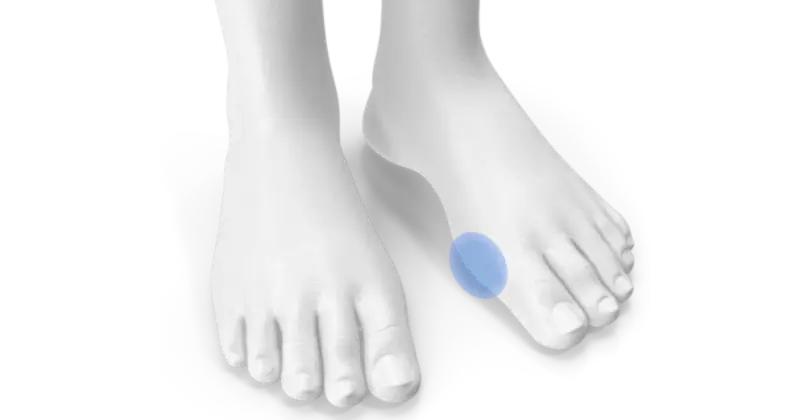
The Lodispoto technique is a minimally invasive surgical procedure for correcting hallux valgus. Named after the surgeon who developed it, it is based on a unique approach to correcting the deformity.
Imagine your big toe as a door that's bent on its hinges. Traditional techniques often involved "disassembling everything" and putting it back together. Lodispoto, however, works in a more sophisticated way. She uses small incisions—we're talking a few millimeters—and through these, the surgeon can correct the angle of the big toe using titanium screws and plates.
The beauty of this technique is that it respects the surrounding tissue much more. There's no need to "open" the entire foot as was done in the past.
Why does hallux valgus happen?
Before we talk about how to correct it, let's understand why it happens. Hallux valgus isn't just a cosmetic issue, even though many patients come to me saying, "Doctor, I can't wear sandals anymore."
The main cause is often genetic—if your mother or grandmother had bunions, you're probably predisposed to them too. But it's not just a matter of genes. The wrong shoes play a role, too. Those with narrow toes, high heels worn for years. I've seen countless cases of women who developed bunions after decades of wearing ill-fitting shoes.
Then there are biomechanical problems of the foot. Flat feet, for example, can promote the development of hallux valgus. Certain rheumatic diseases can also contribute. In short, the causes are multiple and often cumulative.
The symptoms that bring patients to me
Pain is the primary cause. Pain that often begins insidiously. "Doctor, at first it only hurt with certain shoes," they often tell me. Then the pain becomes more constant.
There's the problem of the bunion, that bony protuberance that forms at the base of the big toe. It gets inflamed, red, and painful even to touch. Many patients tell me they can no longer find shoes that don't hurt.
And then there's the progressive deformity. The big toe increasingly moves toward the other toes, which in turn begin to deform. It's like a domino effect. I've seen cases where the second toe was literally "ridden" by the big toe.
How do I diagnose?
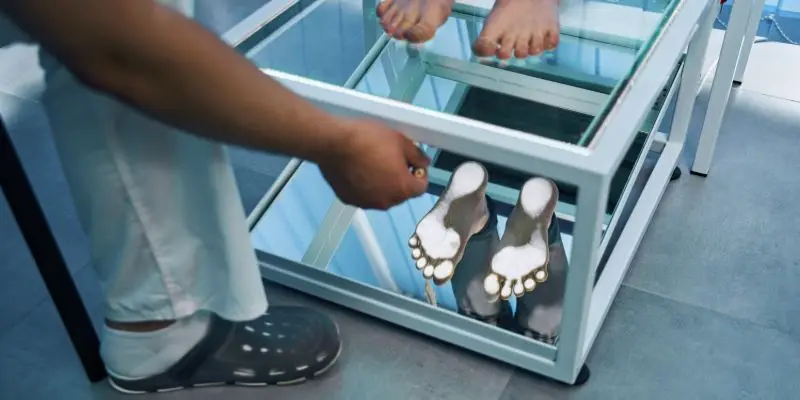
When you come to my office, the first thing I do is watch you walk. It seems trivial, but it tells me a lot about how you land your foot and what compensations your body has put in place.
Then comes the actual clinical examination. I examine the deformity, assess whether there is pain when pressed, and check the joint's mobility. It's important to determine whether the bunion is rigid or still has some flexibility.
X-rays are essential. It's not enough to just look at the foot from the outside—I need to see what's happening to the bones and measure the angles. There are precise parameters that help me decide if the Lodispoto technique is right for you.
Who can benefit from the Lodispoto technique?
Not all patients are ideal candidates for this technique. It is particularly suitable for young, active patients who want to return to their activities quickly. If you're an athlete, for example, shorter recovery times can make a difference.
It's also perfect for those who have tried all conservative remedies without success. Insoles, physical therapy, anti-inflammatory drugs—if you've tried all of these and the pain persists, then it's time to consider surgery.
The Lodispoto technique works well for mild to moderate hallux valgus. For very severe cases, other, more complex techniques are sometimes necessary.
How the intervention works
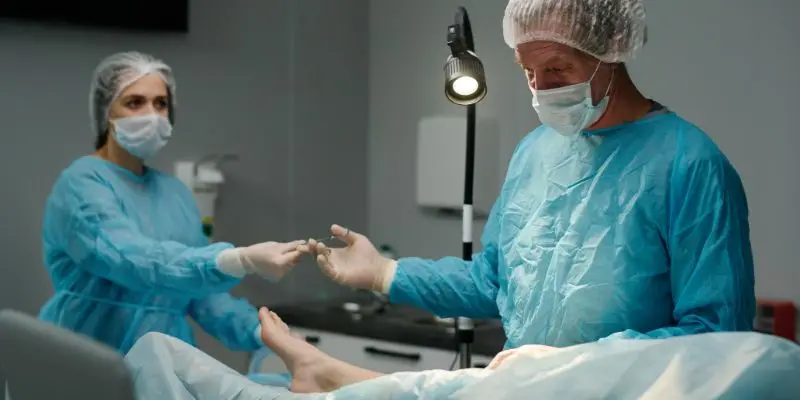
The procedure is performed under local or regional anesthesia. It lasts about 30 minutes, making it much quicker than traditional techniques.
Through small incisions measuring just a few millimeters, I can access the bone and correct the angle of the big toe. I use titanium screws and plates—biocompatible materials that the body tolerates perfectly. The incisions are closed with absorbable stitches, so you won't even have to return to have them removed.
The beauty is that surgical trauma is very limited. Less swelling, less post-operative pain, and a lower risk of complications.
Recovery: What to Expect
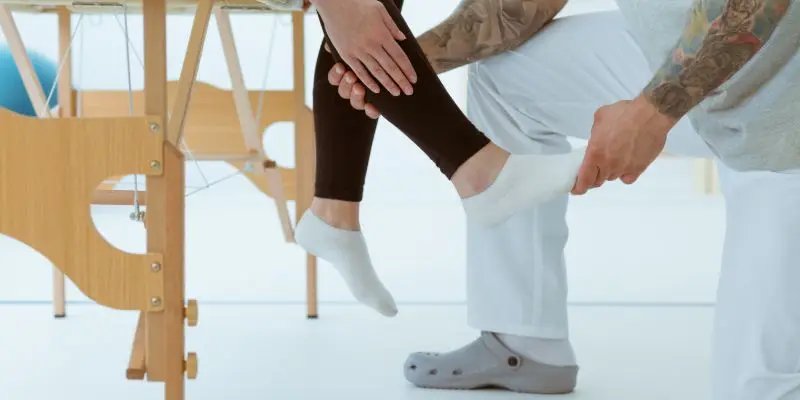
Here's the part that concerns my patients the most. Immediately after surgery, you'll have to wear a special shoe and use crutches for a few days. But after 48-72 hours, many patients are able to walk without pain.
The dressing is changed regularly during the first few weeks. We begin gentle mobilization exercises immediately. The actual physiotherapy begins after about a week.
Most of my patients return to work (if sedentary) after 10-15 days. Sports activities require a wait of 2-3 months, but this is much less than what was needed with traditional techniques.
An important aspect: the final result is visible after 3-4 months, when the swelling has completely disappeared and the bone has consolidated.
Realistic results and expectations
The results of the Lodispoto technique are truly encouraging. In over 95% of cases, patients are satisfied with the results. Not only in terms of pain—which in most cases disappears completely—but also in terms of aesthetics.
The correction achieved is stable over time. Years later, the big toe maintains its correct position. This is crucial because one of the problems with older techniques was the tendency for the condition to recur.
Of course, as with any surgery, there are risks. Infections, hematomas, and joint stiffness are rare but possible complications. The important thing is to choose an experienced surgeon and a suitable facility.
Prevention is always better
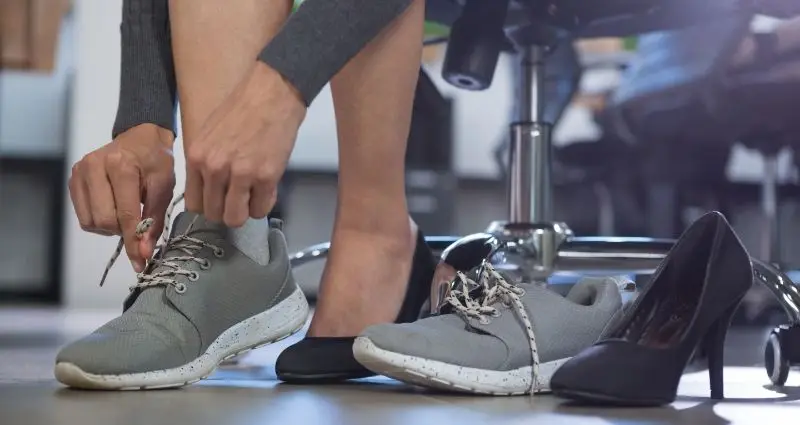
Even if you already have a bunion and are considering surgery, it's worth remembering some tips to prevent the problem from worsening or developing in the other foot.
The right shoes make all the difference. Avoid high heels and narrow toe boxes. Custom-made insoles can help, especially if you have foot support issues. Foot stretching exercises are helpful, even if the deformity is already established.
SmartHallux: Where we can help you

Here at SmartHallux, we specialize in foot and ankle surgery. Dr. Luigi Manzi, who has extensive experience in this field, provides each patient with a personalized treatment plan using the most modern techniques, including the Lodispoto technique for hallux valgus.
Our philosophy is to offer patients innovative solutions that allow them to quickly return to their daily activities. We use cutting-edge technologies and plan every procedure down to the smallest detail.
The SmartHallux team treats conditions such as hallux valgus , Morton's neuroma , and other deformities that cause foot pain. Providing comprehensive support throughout the treatment process, SmartHallux can be a winning choice for effective treatment tailored to your needs. Book your specialist consultation with the SmartHallux team now (opens in a new tab).
Questions you often ask me
Doctor, how much does the Lodispoto technique surgery cost?
The cost is around €9-10.000, but depends on various factors, such as the complexity of the case and the facility where the procedure is performed. It's important to evaluate not only the price, but also the surgeon's experience and the results they can offer.
How long will I be away from work?
It depends on the type of work you do. For an office job, 10-15 days is generally sufficient. If you work standing up or do heavy work, the time can increase to 3-4 weeks. But it's still much less than traditional techniques.
Will I ever be able to wear heels again?
This is a question women often ask me. The answer is yes, but in moderation. After full recovery, you can wear heels of a reasonable height (3-4 cm) without any problems. The important thing is not to overdo it and to alternate with comfortable shoes.