
Correcting bunions: what really works and when surgery is necessary
Correcting bunions: what conservative measures can and cannot do, and when minimally invasive surgery is the option that realigns the toe.
By Dr. Luigi ManziUpdated on
Hallux valgus is one of the most common foot deformities, especially among women. But it's not just a cosmetic issue: over time, it can become truly painful and limiting. The good news? Today, there are several solutions for correcting hallux valgus , even without resorting to immediate surgery.
Maybe you've noticed it while looking at your bare feet on the beach. Or maybe you've felt the discomfort while walking in slightly tight shoes. When your big toe begins to deviate toward the other toes and that characteristic "bunion" appears on the inside of your foot, that's the sign: you have hallux valgus.
What is hallux valgus and why does it occur?

It's an outward deviation of the big toe, resulting in a protrusion of the bone at the base of the toe, which can become inflamed and painful. There can be various causes: genetic predisposition, prolonged use of shoes with narrow toes or high heels, changes in the arch of the foot, arthritis, repeated trauma, or even simply age.
The deformation occurs slowly, often without realizing it. Until walking becomes uncomfortable, painful, and putting on your favorite shoes becomes a daily torture.
How to recognize the symptoms?

Initially, you may notice only slight swelling or redness near the base of the big toe. Pain then develops, which worsens with prolonged standing, walking, or wearing certain tight or rigid shoes. In more advanced cases, the big toe overlaps with the other toes and significantly changes the distribution of weight on the foot.
Can it be corrected without surgery?
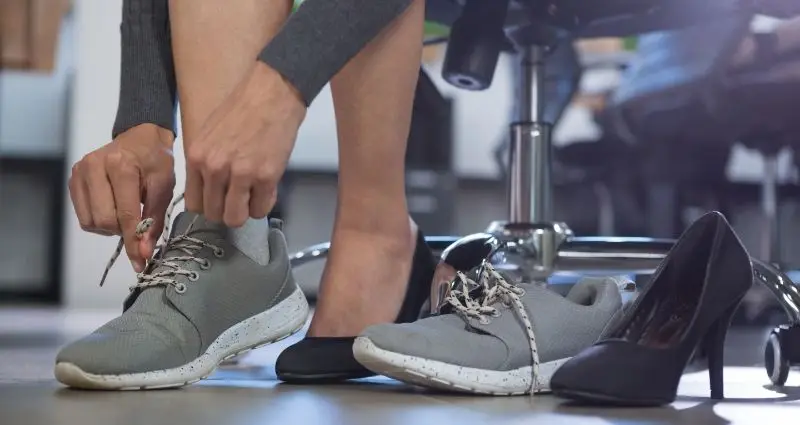
Yes, but it depends on how advanced the deformity is. If the big toe is still flexible and the pain is occasional, you can treat it with:
- suitable footwear, with a wide toe and good arch support
- custom orthotics and insoles
- specific exercises to improve mobility and strengthen the foot muscles
- physiotherapy to improve posture and support
In some cases, even applying ice or using anti-inflammatory drugs can help manage the most painful moments.
When is surgery the best choice?

If the pain is constant, the big toe is stiff, or the deformity worsens despite conservative treatments, it's time to consider surgery. There's no need to fear it: today, procedures are increasingly more precise and less invasive.
There are various surgical techniques, from simple osteotomy to the more complex arthrodesis , and the choice depends on the severity and age of the patient. Recovery varies, but in most cases, walking is possible within a few days with a post-operative shoe.
SmartHallux: An innovative approach to foot care

Waiting doesn't help: the more the deformity progresses, the more difficult it will be to resolve it with conservative methods. Dr. Luigi Manzi , a foot surgery specialist, can help you understand your current situation and recommend the best solution, whether it's a customized insole or a custom-made procedure.
The SmartHallux team, led by Dr. Luigi Manzi, treats conditions such as hallux valgus , Morton's neuroma , and other deformities that cause foot pain. Providing comprehensive support throughout the treatment process, including post-operative recovery, SmartHallux can be a winning choice for effective treatment tailored to your needs. Book your video consultation with Dr. Luigi Manzi now.
FAQ
What are the remedies for hallux valgus?
Initially, orthotics, appropriate shoes, physical therapy, and ice are tried. In more severe cases, surgery is used to correct the deformity.
What symptoms does hallux valgus cause?
Pain, swelling, redness, and a visible bony protrusion at the base of the big toe. Often accompanied by difficulty walking and calluses.
Who is most at risk for hallux valgus?
Women, those who often wear tight or high-heeled shoes, those who have cases in their family, or suffer from arthritis or flat feet.