
Calcaneal exostosis: when your heel really hurts
Calcaneal exostosis is a bony growth on the heel bone, often called a heel spur, that causes pain when standing or walking. Causes, diagnosis and treatment.
By Dr. Luigi ManziUpdated on
You wake up in the morning. You put your foot down. And immediately you feel that terrible pain in your heel that almost makes you lose your balance.
If so, you've probably already heard of heel spurs. But let's be clear: these terms often cause confusion, because they're actually the same thing. Calcaneal exostosis—this is the technical name—is one of the most common causes of heel pain I see in my practice.
Now, before we go any further, an important point. Not all heel spurs are painful. It may seem strange, but it's true. I've seen X-rays of impressive plantar heel spurs in patients who'd never had a day of pain in their lives. Our bodies are truly amazing sometimes.
What exactly are calcaneal exostoses?
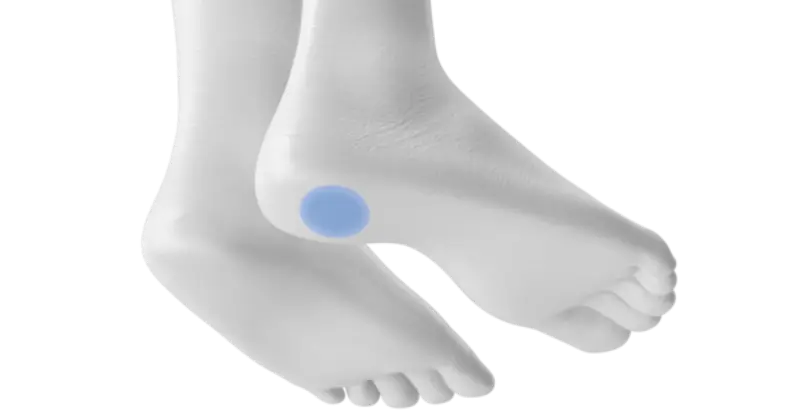
Imagine the calcaneus—the heel bone—as a house. Calcaneal exostosis is as if someone had built a protrusion, a small additional "roof." It's a bone growth, a calcification that develops where tendons and fascia attach to the bone.
The plantar heel spur forms on the underside of the heel, where the plantar fascia attaches. It is the most common. Then there is the posterior heel spur, which grows behind the heel, where the Achilles tendon attaches. Some unfortunate patients have both—a plantar and posterior heel spur together.
The interesting thing is that these heel spurs don't appear overnight. They develop slowly, over months, sometimes years. The body is essentially trying to strengthen an area that's been subjected to constant stress.
Why do heel spurs form?

Here's a question all my patients ask me: "Doctor, why me?"
To be honest, the causes of calcaneal exostosis aren't yet completely clear, even to us specialists. However, we do know which factors increase the risk. Excess weight is certainly one of the main enemies. More weight means more strain on the heel, more stress on the plantar fascia.
Intense physical activity can be a problem, especially on hard surfaces. I've seen many runners develop heel spurs. But paradoxically, a sedentary lifestyle doesn't help either. Our bodies need movement, but the right kind.
Improper footwear is another factor. Shoes that are too flat, without arch support, can promote the development of plantar heel spurs. And then there's age. As we age, tissues lose elasticity and become less resistant to stress.
Let's not forget genetics. Some families seem to be more predisposed. If your father or mother has had problems with heel pain or plantar fasciitis, you may be more at risk of developing a heel spur.
Symptoms: when the pain speaks clearly
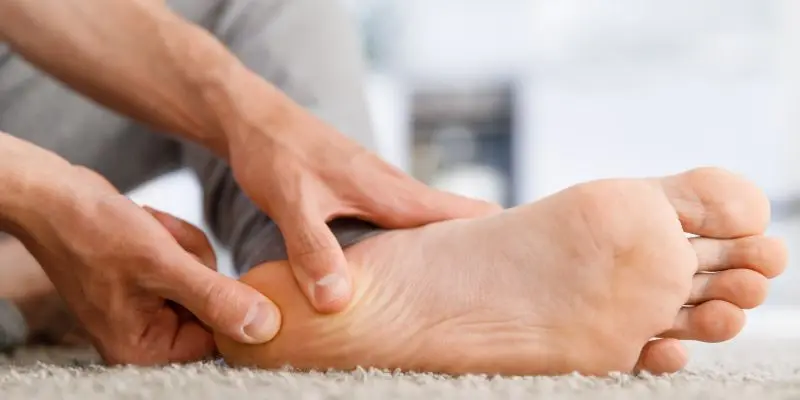
Pain is the undisputed protagonist. But it isn't always the same for all patients.
Morning is the worst. That stabbing pain when you first take a step is typical. "It's like walking on nails," a patient told me last week. After a few steps, the pain may subside, but it returns after prolonged sitting.
Plantar heel spur pain is usually localized in the center of the heel. Dorsal heel spurs, on the other hand, can cause pain in the back. Some patients with Achilles spurs also report morning stiffness of the tendon.
Stiffness is another significant symptom. The foot feels "stuck," especially when flexing upward. In some cases, a slight swelling in the heel area may also be noticeable.
How do I diagnose heel spurs?
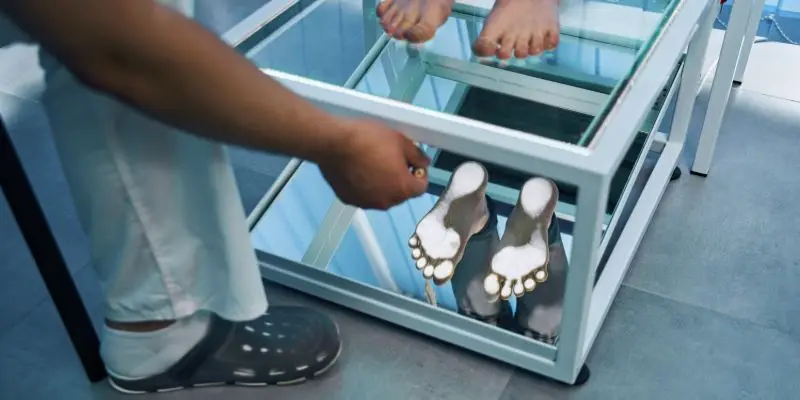
When a patient comes into my office with heel pain, the first thing I do is listen. The patient's history is crucial. Then I proceed with the physical exam.
I press with my fingers on specific points on the heel. The inferior heel spur is painful when pressed on the midfoot. I move the foot in different directions to assess the stiffness.
But to be sure, an X-ray is needed. Calcaneal exostosis is clearly visible on X-rays. It appears as a bony protrusion, sometimes with a characteristic "beak" shape. Ultrasound can be useful to evaluate the surrounding soft tissue, especially if I suspect associated plantar fasciitis.
In some cases, when the symptoms aren't typical, I may request an MRI. This helps us better understand what's happening in the soft tissues and rule out other causes of heel pain.
How to treat heel spurs
The good news? In most cases, treatment for calcaneal exostosis is conservative. Surgery isn't necessary.
We always start with rest and activity modification. If you run on asphalt every day, you'll need to slow down. Ice application can provide relief, especially after physical activity.
Oral anti-inflammatories can help in acute phases. But be careful: they're not a permanent solution. They're intended to reduce inflammation, not to "dissolve" the spur.
Physical therapies are very helpful. Shockwave therapy, Tecar therapy, and ultrasound are helpful. Physiotherapy with specific stretching exercises is essential. Your physiotherapist will teach you how to stretch the plantar fascia and Achilles tendon.
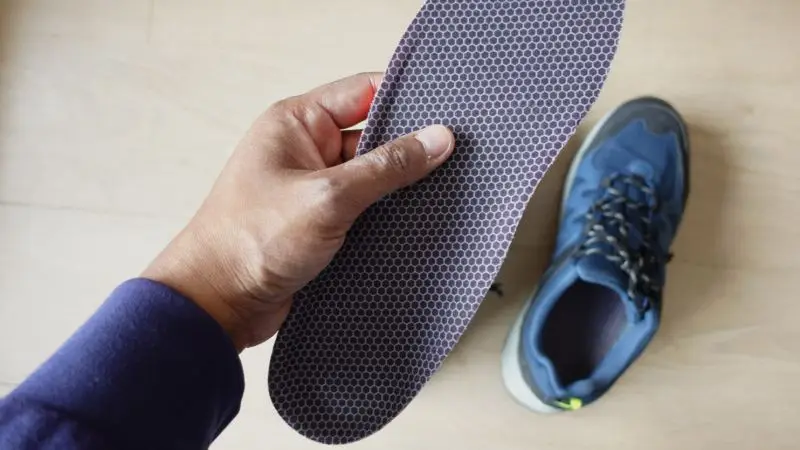
Custom-made insoles are often a game-changer. A good insole redistributes weight, relieves the painful area, and supports the arch. Not the ones you find at the supermarket, though. You need insoles made after a thorough biomechanical assessment.
When conservative treatment isn't enough—and we're talking about a small percentage of cases—surgery can be considered. The procedure involves removing the heel spur and freeing the plantar fascia. But I repeat: you only get there after trying everything else for at least 6-12 months.
How long does it take to heal?

“Doctor, when will I be well?” This is perhaps the question I get asked most often. The honest answer is: it depends.
With proper treatment, many patients begin to feel better within 6-8 weeks. However, complete healing can take several months. The plantar heel spur remains present on X-rays, but it no longer causes discomfort.
Consistency in following treatment is crucial. I've seen patients improve rapidly because they did everything they were supposed to. And others have dragged the problem on for years because they never followed treatment consistently.
Can spurs be prevented?
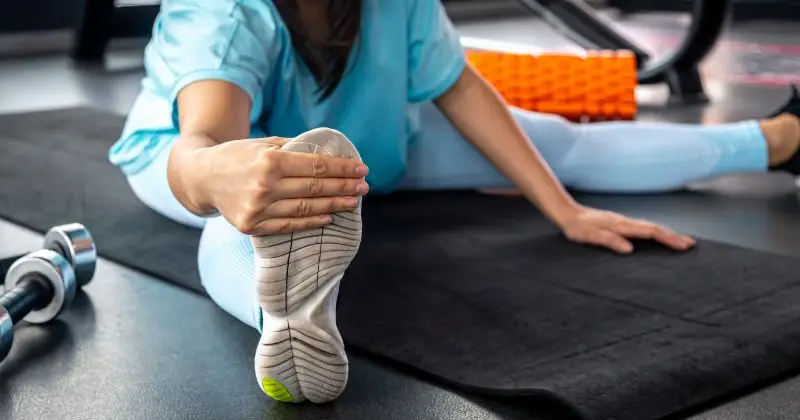
Of course, yes. In fact, prevention is always better than cure.
Maintaining a healthy weight is the first step. Every extra pound puts extra strain on your heels. Choose appropriate footwear with good arch support. Avoid completely flat shoes or high heels.
If you play sports, do it gradually. Don't go from couch potato to marathon in two weeks. Your body needs time to adapt. Alternate different surfaces: not always asphalt, but also grass or dirt.
Daily stretching exercises are a great investment. A few minutes a day can prevent many problems. And if you've already had episodes of heel pain or plantar fasciitis, don't ignore the symptoms. It's better to see a doctor more often than to develop a chronic problem.
SmartHallux: Where we can help you

Here at SmartHallux, we specialize in foot and ankle surgery. Dr. Luigi Manzi, who has extensive experience in this field, provides each patient with a personalized treatment plan using the most modern techniques.
Our philosophy is to always try conservative solutions first. Surgery is the last option, when truly no alternatives exist. And when necessary, we use minimally invasive techniques to reduce recovery times.
The SmartHallux team treats conditions such as hallux valgus , Morton's neuroma , and other deformities that cause foot pain. Providing comprehensive support throughout the treatment process, SmartHallux can be a winning choice for effective treatment tailored to your needs. Book your specialist consultation with the SmartHallux team now (opens in a new tab).
Questions you often ask me
Doctor, how do I know if I really have a heel spur?
The most typical symptom is severe heel pain when taking your first steps in the morning or after prolonged sitting. The pain may decrease with movement, but tends to worsen after physical activity. If you have these symptoms for more than a few weeks, it's worth seeing a specialist.
But is it true that the spur can be dissolved?
This is a widespread belief, but it's incorrect. Heel spurs are a bony growth; they don't "dissolve" with treatment. What we can do is reduce inflammation in the surrounding tissue and adjust the load on the foot. When the pain subsides, the spur is still there, but it no longer causes discomfort.
Do I really have to have surgery?
Absolutely not. Surgery is only necessary in a small percentage of cases, when all conservative therapies have failed after at least 6-12 months of treatment. Most patients with calcaneal exostosis improve without the need for surgery.