
Primary osteoarthritis: when joints "wear out" over time
Primary osteoarthritis is the wear of joint cartilage over time, without a prior injury or disease. The early symptoms, the joints it affects and treatment.
By Dr. Luigi ManziUpdated on
Have you ever woken up in the morning with stiff joints? Maybe your knees creaked or your fingers struggled to move smoothly in the first few minutes of the day?
Well, what you're experiencing could be the beginning of what we doctors call primary osteoarthritis. It's a condition I see quite often in my practice, and I have to say that patients often arrive a little worried because they don't fully understand what's happening to their joints.
Primary osteoarthritis is essentially the "wear and tear" of joint cartilage that occurs over time. Think of cartilage as a smooth, soft cushion that covers the ends of bones in joints—it's what allows our movements to be smooth and painless.
What exactly happens in our joints?
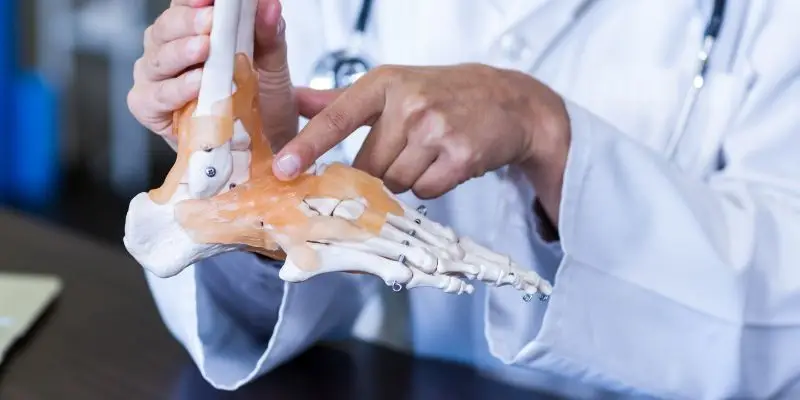
When we talk about primary osteoarthritis, we're talking about a degenerative process. Cartilage, which is normally as smooth as glass, begins to deteriorate.
It's no one's fault—it's just what happens. After all, our joints work for decades, bearing the weight of our bodies, repetitive movements, and the stresses of daily life. It's a bit like car tires: after thousands of miles, they start to wear out.
What makes primary osteoarthritis unique is that it doesn't have a specific cause, such as trauma or disease. It's different from secondary osteoarthritis, which has a clearly identifiable cause. In primary osteoarthritis, the degenerative process is primarily linked to aging and genetic factors.
The causes: why me?
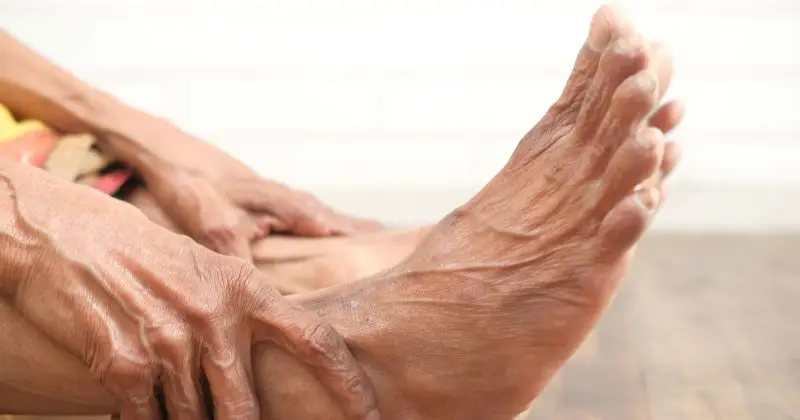
This is the question almost all patients ask me. “Doctor, why me?”
The causes of primary osteoarthritis are multiple, and often combined. Age is certainly the main factor—after age 50, the likelihood increases significantly. But it's not just a matter of the passing years.
Genetics plays a major role. If your parents or grandparents had problems with osteoarthritis, you're more likely to develop it. It's like having a predisposition written in your DNA.
Body weight is another crucial factor, especially for weight-bearing joints like the knees, hips, and ankles. Every extra pound puts additional stress on our poor joints. I've seen many patients significantly improve just by losing a few pounds.
Past joint injuries, perhaps forgotten, can come back to bite you years later. That knee injury you sustained while playing sports when you were young? That sprained ankle that seemed to have healed perfectly? Sometimes they leave their mark over time.
And then there's intense, repetitive physical activity. Mind you, I'm not saying exercise is bad for you! But certain types of activity, practiced intensively for years, can accelerate joint wear.
Symptoms: What you feel
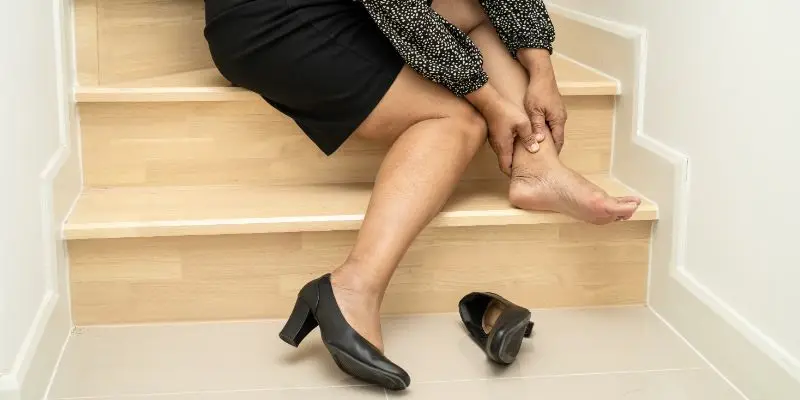
Pain is certainly the main symptom. But it's not just any pain—it has specific characteristics that make it recognizable.
It's a pain that worsens with movement and improves with rest. In the morning, the joints are stiff and "rusty," then after a bit of movement they loosen up. My patients often say to me, "Doctor, I need to take a few steps to warm up, then it gets better."
Crepitus is another characteristic sign. Those joints that creak, that "make noise" when they move. It's not necessarily painful, but it's annoying and worrying.
Morning stiffness is typical, usually lasting less than an hour, unlike rheumatoid arthritis, where it can last much longer. Sensitivity to touch is common, especially during flare-ups.
As the condition progresses, joint deformities and functional limitations may appear. The joint changes shape and becomes less mobile, which obviously impacts quality of life.
How do I diagnose?

When a patient comes to me with these symptoms, the first thing I do is listen to their story. The medical history is crucial—it tells me when the pain started, what makes it worse, what makes it better, and whether there have been any past traumas.
Then I proceed with the physical examination. I look at the joint, gently palpate it for sensation, check its mobility, and listen for any joint noises. It's like playing detective—every little detail counts.
X-rays are the primary test for diagnosing degenerative osteoarthritis. They clearly show the narrowing of the joint space, the presence of osteophytes (those bony "spurs" that form at the edges of the joint), and sclerosis of the subchondral bone.
In some cases, I resort to MRI, especially when I want to better evaluate the soft tissues or rule out other pathologies. I reserve joint fluid analysis for doubtful cases, to rule out infections or other forms of arthritis.
Treatments: What can we do together?
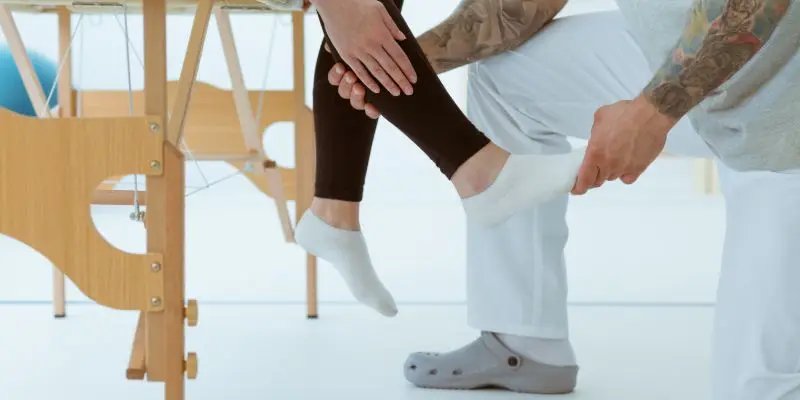
So, let's get to the point. What can we do about primary osteoarthritis?
The first approach is always conservative. Weight loss, when necessary, is essential—every pound lost is a gift to your joints. I often tell my patients: "It's not just a cosmetic issue, it's truly therapeutic."
Low-impact physical activity is paradoxically important. Swimming, cycling, walking—they maintain joint mobility without overstressing damaged structures. "Movement is medicine" is a phrase I often use.
Physiotherapy helps tremendously, especially for maintaining range of motion and strengthening the muscles that support the joint. It's like having stronger "ropes" to support a weakening structure.
As for medications, we have several options. Anti-inflammatories can provide relief in acute situations, and chondroprotectors may slow the degenerative process, although scientific debate on this point is still ongoing.
When conservative treatment is no longer sufficient, we can evaluate surgical options. Arthroscopy to "clean" the joint, osteotomy to realign the forces acting on the joint, and even prosthesis in the most advanced cases. Every case is different, and every patient requires a personalized approach.
Prevention: better safe than sorry
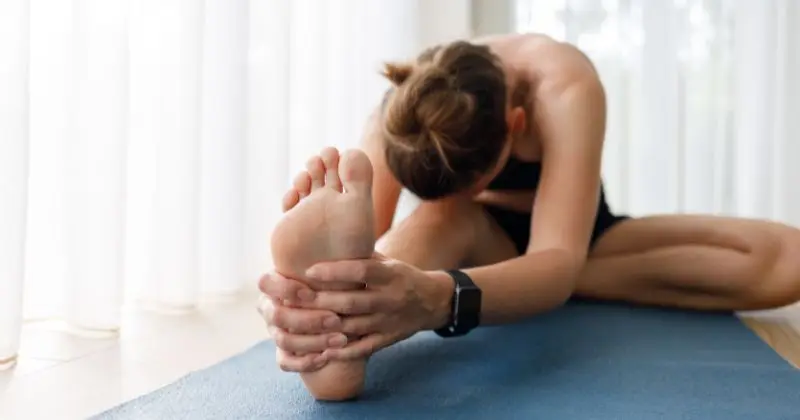
Preventing early osteoarthritis involves making smart lifestyle choices. Maintaining a healthy weight is essential—not just for your joints, but for your entire body.
Exercise regularly, but don't overdo it. Find your balance between a sedentary lifestyle and hyperactivity. Protect your joints from injury—wear protective gear when playing sports, and be careful with repetitive motions at work.
The future: research and new treatments
Research in this field is very active. Work is underway on growth factors, stem cell therapy, and gene therapy. These are promising approaches, although still in the experimental phase.
Personally, I am optimistic – in a few years we will certainly have more effective therapeutic weapons against this condition that affects millions of people.
SmartHallux: Where we can help you

Here at SmartHallux, we specialize in foot and ankle surgery. Dr. Luigi Manzi, who has extensive experience in this field, provides each patient with a personalized treatment plan using the most modern techniques.
The SmartHallux team treats conditions such as hallux valgus , Morton's neuroma , and other deformities that cause foot pain. Providing comprehensive support throughout the treatment process, SmartHallux can be a winning choice for effective treatment tailored to your needs. Book your specialist consultation with the SmartHallux team now (opens in a new tab).
Questions you often ask me
Doctor, are primary and secondary osteoarthritis the same thing?
No, they are different. Primary osteoarthritis doesn't have a specific identifiable cause—it's primarily linked to aging and genetic factors. Secondary osteoarthritis, on the other hand, stems from specific causes: trauma, infections, metabolic diseases. It's important to distinguish between them because the therapeutic approach may vary.
How do I know if it's osteoarthritis or rheumatoid arthritis?
Good question! Osteoarthritis is a degenerative disease—the cartilage wears away. Rheumatoid arthritis is an autoimmune disease—the immune system attacks its own joints. Symptoms can be similar, but in rheumatoid arthritis, morning stiffness lasts hours, not minutes, and often affects multiple joints simultaneously and symmetrically.
Can the pain be very severe?
Absolutely. It varies greatly from person to person—some patients experience only mild discomfort, others severe pain that limits their daily activities. Don't underestimate your pain—if it's keeping you from doing what you want to do, it's time to intervene.