
Plantar Fasciopathy: When the Foot Says Enough
Plantar fasciopathy is the degeneration of the plantar fascia behind chronic heel pain, the stage after fasciitis. How it differs, the symptoms and treatments.
By Dr. Luigi ManziUpdated on
You wake up in the morning, kick your feet out of bed, and... ouch! That pain in your heel that makes you almost hop on your feet like a flamingo. If you recognize yourself in this scene, you're probably dealing with plantar fasciopathy.
It's one of the conditions I see most often in my office. And every time a patient describes that pain that comes with the first step in the morning, I already know what we're talking about. Plantar fasciopathy—which many still call plantar fasciitis, even though it's not always actually inflammation—is a problem that can seriously impact your quality of life.
But let's see together what exactly it is.
What is this blessed plantar fasciopathy?
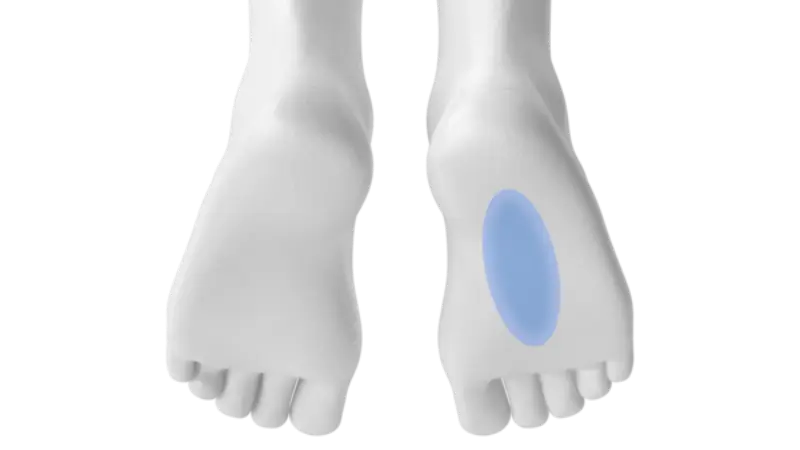
The plantar fascia is like a strong band of tissue that runs under the sole of the foot, from the heel to the toes. Think of it like a taut bowstring: it supports the arch of the foot and absorbs shock when you walk, run, or jump.
When this structure becomes irritated, thickened, or damaged, the problem arises. Thickening of the plantar fascia is often visible on ultrasound—it's as if the tissue becomes thicker and loses its normal elasticity.
You've probably heard of "plantar fasciitis," right? Well, we now know that it's not always a matter of actual inflammation. Often, it's more of a tissue degeneration, similar to what happens with worn tendons. That's why we now prefer to call it plantar fasciopathy.
Why does it happen? The main causes
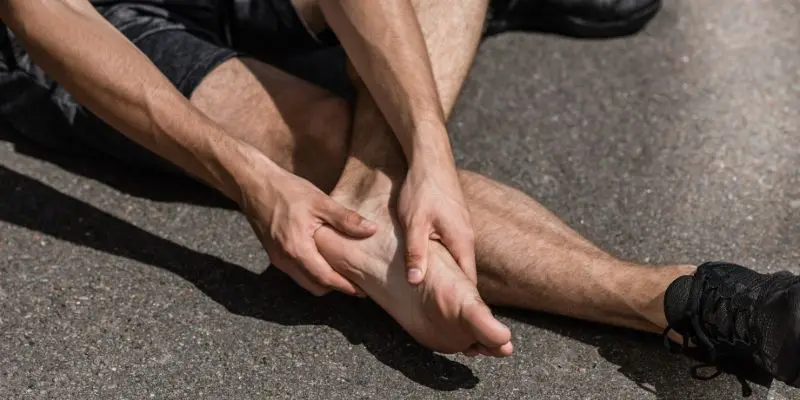
I've seen all kinds of patients with this problem. The runner who overdoes the mileage. The woman who walks all day in uncomfortable shoes. The overweight guy who starts training too intensely.
The truth is that plantar fasciopathy is often the result of overload. When we push our poor plantar fascia too hard, it first protests, then gives up and hurts.
Tight calf muscles are often the culprit. If you have tight calves—and many of us do, especially those who sit all day—the ankle doesn't flex properly. The result? The plantar fascia has to work harder to compensate. It's like pulling on a tight rope.
Body weight plays its part. I don't want to lecture anyone, but every extra kilo puts additional forces on the foot with every step. The numbers are impressive: when you run, your foot supports up to three times your body weight.
Then there are special situations. Pregnancy, for example. I've treated several patients who developed plantar fasciopathy during pregnancy, both due to weight and hormonal changes that make the tissues "softer."
The symptoms you can't miss
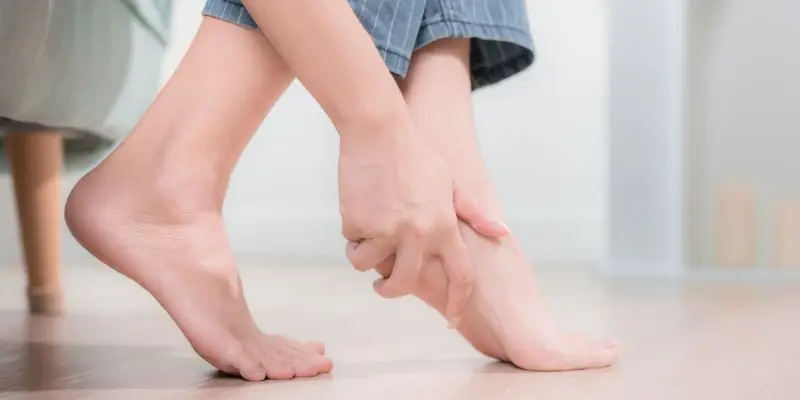
Pain is the undisputed protagonist. But it's not just any pain—it has its own distinctive characteristics that make it unmistakable.
Here's the classic: you get out of bed in the morning and the first few steps are torture. It's as if someone put nails under your heel overnight. After a few minutes of walking, the pain subsides. Patients always tell me, "Doctor, it goes away after a while, but as soon as I stop and start walking again, there it is again."
The pain is usually concentrated on the inside of the heel, but it can radiate along the arch of the foot. Some patients also describe a feeling of stiffness, as if a band were too tight under their foot.
Sometimes the heel is sensitive to the touch. It's not uncommon for even just placing your bare foot on a cold floor to be uncomfortable. And then there's the pain that comes after walking or standing for a long time—it's as if the fascia is saying, "Enough, I can't take it anymore."
How do I diagnose?
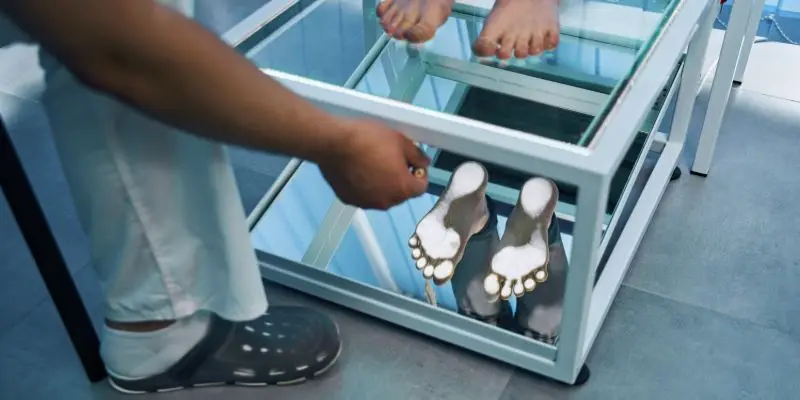
When you come into my office with this type of pain, I begin to get an idea even as you describe the symptoms. The patient's story is often so characteristic that the diagnosis is almost made.
First of all, I'll ask you to tell me exactly when and how it hurts. Then I'll observe how you walk and how you place your foot. I'll perform some specific maneuvers: I'll press on the painful area, move your foot in different directions, and check the flexibility of your ankle and calves.
One of the maneuvers I always do is flex my toes upward while pressing on the plantar fascia. If you have plantar fasciopathy, this maneuver triggers the typical pain.
Ultrasound is a very useful test. It allows us to see thickening of the plantar fascia, any calcifications, or areas of degeneration. It's like looking under the hood of a car to figure out what's wrong.
X-rays, on the other hand, are primarily used to rule out other conditions—stress fractures, significant heel spurs, and bone problems. Heel spurs aren't the cause of fasciopathy, as was once believed, but they may be present.
In special cases, I may request an MRI. But I assure you, in most cases it's unnecessary—the diagnosis is clinical.
How to treat it: the path to recovery

I have to be honest with you here: plantar fasciopathy requires patience. It's not a problem that can be solved in a week. But with the right approach, the vast majority of patients recover completely.
The first step is always to relieve the acute pain. Ice, rest from painful activities, and anti-inflammatories if necessary. But be careful: rest doesn't mean sitting still. It means avoiding the painful thing, not stopping moving completely.
Physiotherapy is essential. And when I say physiotherapy, I especially mean targeted stretching. The calves, the plantar fascia itself, the intrinsic muscles of the foot. I've seen patients improve dramatically just with a well-executed and consistent stretching program.
Insoles can be very helpful. I'm not talking about the standard ones you buy at the supermarket, but rather arch supports specifically designed to relieve the plantar fascia. Sometimes a simple arch support is enough, other times something more sophisticated is needed.
Shockwave therapy is a therapy I often use in the most resistant cases. It's not painful—at most, a little uncomfortable—and can really make a difference by stimulating tissue healing.
Injections? Yes, I do them sometimes. But they're not my first choice. I prefer to use them when other treatments haven't yielded the desired results. And when I do, I use products that promote regeneration, not just anti-inflammatories.
How long does it take to heal?
This is the question everyone asks me. And the honest answer is: it depends.
In the simplest cases, especially if treated promptly, you can feel better within a few weeks. However, it often takes 2-3 months of consistent treatment for complete recovery. I've seen patients who recovered in a month, and others who took six months.
The important thing is not to get discouraged. Plantar fasciopathy heals, but you need to be patient and consistent with treatment.
How to prevent the problem from returning
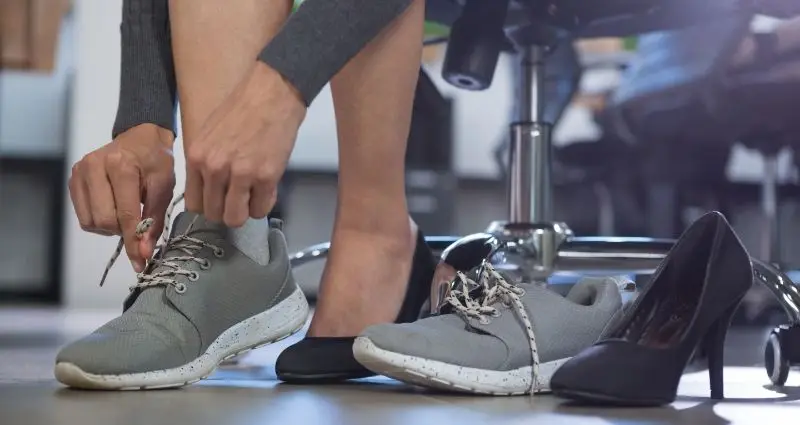
Once you're healed, you never want to go back, right? Here's some practical advice I always give my patients.
Shoes are essential. No flat shoes, no high heels for hours, no broken-in shoes. A good shoe with arch support and heel cushioning is an investment in your foot health.
Keep your calves supple. A few minutes of stretching in the evening, perhaps in front of the TV, is all it takes. It's a small habit that can prevent major problems.
If you play sports, gradually increase the intensity. The classic "I'll start again on Monday and immediately do 10 km" is the perfect recipe for plantar fasciopathy.
SmartHallux: Where we can help you

Here at SmartHallux, we specialize in foot and ankle surgery. Dr. Luigi Manzi, who has extensive experience in this field, provides each patient with a personalized treatment plan using the most modern techniques.
The SmartHallux team treats conditions such as hallux valgus , Morton's neuroma , and other deformities that cause foot pain. Providing comprehensive support throughout the treatment process, SmartHallux can be a winning choice for effective treatment tailored to your needs. Book your specialist consultation with the SmartHallux team now (opens in a new tab).
Questions you often ask me
Doctor, do I have to stop running completely?
No, not necessarily. It depends on the severity of the situation. Sometimes it's enough to temporarily reduce the intensity, other times a longer break is needed. The important thing is not to overdo the pain.
I heard you can have surgery. Is that true?
Yes, surgery is available, but it's reserved for cases that don't respond to conservative treatments after at least 6-12 months. The vast majority of patients never need surgery.
Can I wear high heels?
Extremely high heels aren't suitable for hours, but a moderate heel (2-3 cm) can be fine, and sometimes even helps. The important thing is that the shoe is comfortable and supports the foot well.
Is it true that it depends on flat feet?
Flat feet can be a risk factor, but it's not a death sentence. I've seen people with perfectly arched feet develop plantar fasciopathy, and vice versa.