
Bunion Recurrence: When the Problem Returns and What to Do
Bunion recurrence after surgery happens when the deformity gradually returns. Why it occurs, how the surgical technique affects the risk and what can be done.
By Dr. Luigi ManziUpdated on
Let's be clear. Did you have bunion surgery and now it feels like the problem is coming back? You're not alone. It's a concern I hear often in my office, and I understand the anxiety it can cause.
Recurrence of bunions after surgery is a reality we orthopedists have to deal with every day. It's not necessarily that the surgery went badly—sometimes the foot simply "remembers" its previous deformity.
Let's see together what happens when bunions recur and, above all, what we can do to best deal with them.
What does hallux valgus recurrence really mean?
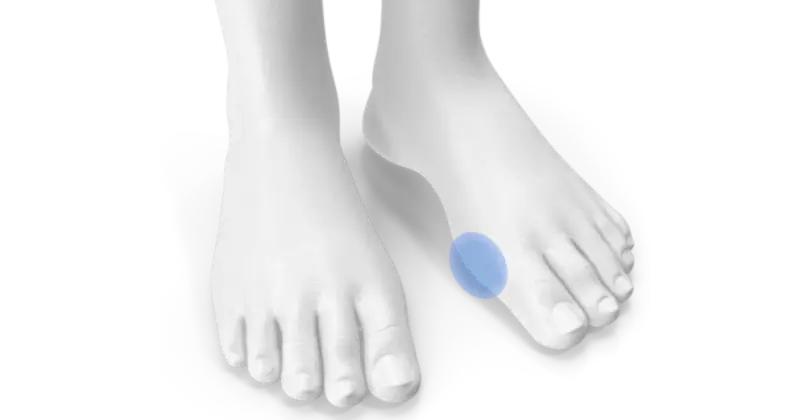
When I say recurrence, I mean that the big toe begins to deviate toward the other toes again. Maybe not as much as before the surgery, but enough to cause discomfort again. It's a bit like the foot "forgets" the surgical correction.
You may have looked at your foot and thought, "Wasn't it straight after the surgery?" Well, that feeling often isn't deceiving you. Your big toe can actually start to shift again, creating that characteristic lateral "bun" you hated so much.
After all, the foot is a complex structure. It contains tendons, ligaments, and bones that work together in a delicate balance—and this balance can sometimes be disrupted again.
Why hallux valgus can return
The causes of recurrence are varied, and often it's a combination of factors. First of all, there's a genetic component that we can't change—if your parents had this problem, your foot may have a natural tendency to develop it again.
Then there are the shoes. I know, I know—we've told you a thousand times after surgery not to go back to high heels, and yet… It's human, I understand. But inappropriate footwear is still one of the main causes of recurrence. A heel that's too high or a shoe that's too tight can undo all the work done surgically.
In fact, I've seen patients come back with a recurrence after months of wearing comfortable shoes, simply because their foot structure was predisposed. Others, however, have gone back to wearing 12-inch heels just a few months after surgery—and guess what?
Surgical technique obviously plays a role. Some older techniques had higher recurrence rates. This is why today we use more modern and less invasive approaches.
How to recognize the signs of a relapse
Symptoms are often similar to those you had before the first surgery, but may be more subtle at first. Pain at the base of the big toe, especially when walking a lot or standing for hours.
You may notice that your big toe is starting to push against your second toe again. Or that that lateral bump, the famous "bunion," is starting to make itself felt against your shoe again. Some patients tell me, "Doctor, I feel like I'm feeling that annoying friction again when I walk."
Morning stiffness in your feet can be another warning sign. If you struggle to move your big toe when you wake up or feel pain when taking your first steps, it might be time for a checkup.
How do I diagnose recurrence?

When you come to my office with a suspicion of a recurrence, the first thing I do is watch you walk. The way you land your foot tells me a lot. Then I carefully examine your big toe, checking the angle of deviation and comparing it with previous post-operative X-rays.
X-rays are crucial—they allow us to objectively see if and how much the big toe has shifted from its post-surgery position. Sometimes what appears to be a recurrence clinically turns out to be merely temporary swelling or inflammation on x-ray.
I also always ask about your daily activities, the shoes you wear, any injuries you've had, or any changes in your lifestyle. These are all details that help me understand the reason for the relapse.
Treatment options for recurrence
Now, this is the most important point. What can be done when bunions return? The options depend on the severity of the recurrence and the symptoms it causes.
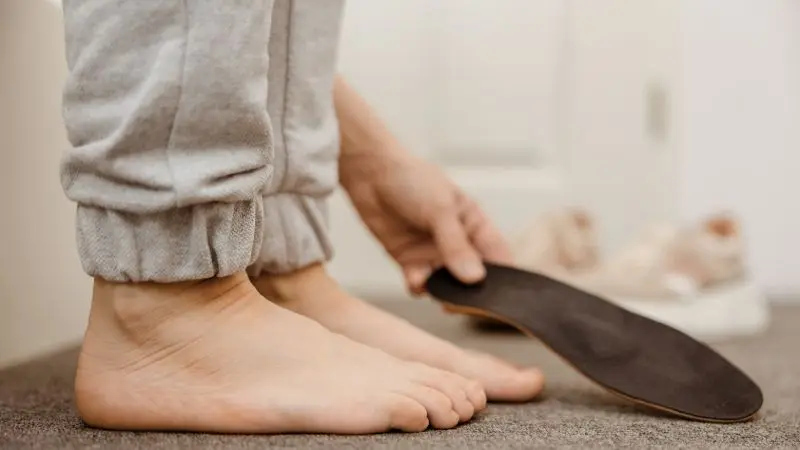
If the deviation is still mild and the pain is manageable, we can try conservative treatments. Custom-made insoles, targeted physiotherapy to strengthen the foot muscles, and shoe modifications are recommended. I also often recommend specific exercises you can do at home—nothing complicated, but consistent over time.
However, when the recurrence is significant and compromises quality of life, we must consider further surgery. I know, that's not what you want to hear. "But doctor, do I have to have another operation?" It's a question everyone asks me, and it's understandable.
The good news is that today we have much more precise techniques than in the past. With the SmartHallux technique, for example, we can correct even the most complex recurrences with a minimally invasive approach. Recovery times are generally shorter, and the risk of a new recurrence is significantly reduced.
How to prevent a new relapse
Prevention begins on the day of surgery. Strictly following post-operative instructions isn't just a formal recommendation—it's the foundation for long-lasting results.
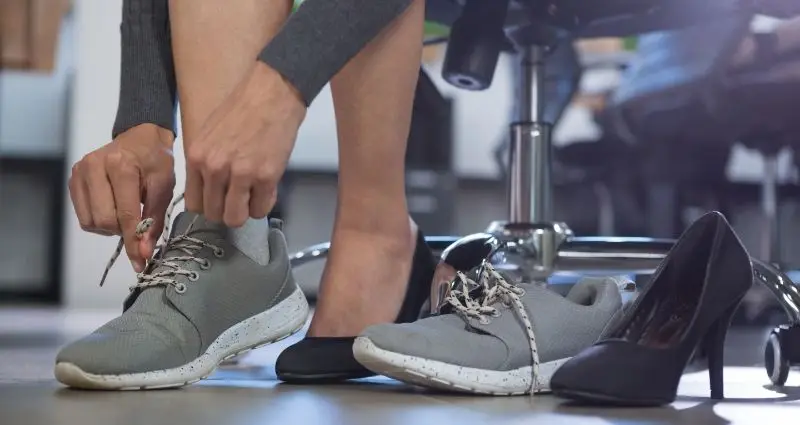
Shoes are crucial. A shoe with a heel no higher than 3-4 cm, a wide toe, and a sole that provides good cushioning. I know it may seem restrictive, but think about how much pain you suffered before your first surgery—this small sacrifice is worth it.
Foot exercises should be continued even after healing is complete. A few minutes a day will help maintain the strength of the muscles that support the arch of the foot and the alignment of the toes.
Regular checkups are essential. Even when everything seems fine, an annual checkup allows you to detect any changes early and intervene before they become serious problems.
SmartHallux: Where we can help you

Here at SmartHallux, we specialize in foot and ankle surgery. Dr. Luigi Manzi, who has extensive experience in this field, provides each patient with a personalized treatment plan using the most modern techniques.
Our philosophy is simple: every foot is unique, and every procedure must be tailored to that specific patient. Whether it's a first-time procedure or a recurrence, the approach is always personalized.
The SmartHallux team treats conditions such as hallux valgus , Morton's neuroma , and other deformities that cause foot pain. Providing comprehensive support throughout the treatment process, SmartHallux can be a winning choice for effective treatment tailored to your needs. Book your specialist consultation with the SmartHallux team now (opens in a new tab).
Questions you often ask me
Doctor, how long does it take for bunions to come back?
There's no hard and fast rule. I've seen recurrences after just a few months and perfect feet 20 years after surgery. It depends on many factors: the technique used, genetic predisposition, and lifestyle. On average, if it's going to return, it's obvious within the first 2-3 years.
If I have another operation, are there more risks?
A second operation is technically more complex, that's true. But with modern techniques, the risks are very low. The important thing is choosing the right time and the most appropriate technique for your specific case.
Is there anything I can do to prevent it from coming back?
Absolutely. Appropriate footwear, maintenance exercises, regular checkups. And above all, if you notice something changing, don't wait for it to become a major problem—come check it out.