
Sore feet from high heels: how to fix it when beauty hurts
Sore feet from high heels: why heels overload the forefoot and shorten the calf, the problems they cause over time and how to limit the damage.
By Dr. Luigi ManziUpdated on
Have you ever come home from a night out in high heels and thought, "Never again"? You're not alone. I constantly see women in my office with sore feet from high heels. It's a more common problem than you might think.
High heels are beautiful; they make us feel more elegant and slender. But our feet aren't designed to stand in that position for hours. Imagine, when you wear a 10-inch heel, your weight shifts entirely to the ball of your foot—it's as if you're always standing on tiptoe. It's not natural, right?
Now, I'm not suggesting you throw away all your favorite shoes. That would be unrealistic and even a little sad. But we can definitely do something to reduce the damage and make the experience less painful.
What happens to your feet when you wear heels?

When you wear heels, your foot is forced into an unnatural position. Your weight, which is normally distributed across the entire sole, is concentrated on the ball of your foot. Your toes are pushed forward, often compressed into a narrow ball.
The Achilles tendon shortens. The calf muscles remain tight. The arch of the foot changes its natural curvature. In short, the entire foot works differently than usual.
"Doctor, why does it hurt so much?" patients often ask me. The answer is simple: because we're forcing a complex structure like the foot into a position it wasn't designed for. It's a bit like always driving in first gear—it can be done, but the engine suffers in the long run.
The main causes of pain

After all, not all heel pain is the same. There are several reasons why your feet might hurt after a day in heels.
Excessive pressure on the forefoot is the most common cause. When all your weight is concentrated on that area, the metatarsal bones become overloaded. Metatarsalgia—a burning pain just under the toes—can develop.
Toes, compressed in shoes, can develop calluses, corns, or even deform over time. I've seen patients with bunions that also developed from prolonged use of shoes that were too tight or had heels that were too high.
The plantar fascia, the band of tissue that supports the arch of the foot, can become inflamed. This happens because its normal tension is altered by the position of the foot in the heel. This is why some women tell me they feel pain even the next day, especially in the morning when they get out of bed.
Calf muscles are also affected. Remaining tense for hours can cause cramps or that "heavy legs" feeling that many people are familiar with.
Symptoms you should recognize
Pain is obviously the main symptom, but it's not the only one. Many patients describe a burning sensation under the ball of their foot. "It's like walking on hot coals," one woman told me last week.
Other common symptoms include swelling of the toes, blisters or calluses, calf cramps, and a tingling sensation. Some people also report heel pain the next day, especially when taking their first steps in the morning.
If you notice that the pain persists even at rest, or if you see deformities in your fingers, then it is best not to underestimate the problem.
How do I diagnose in my office?
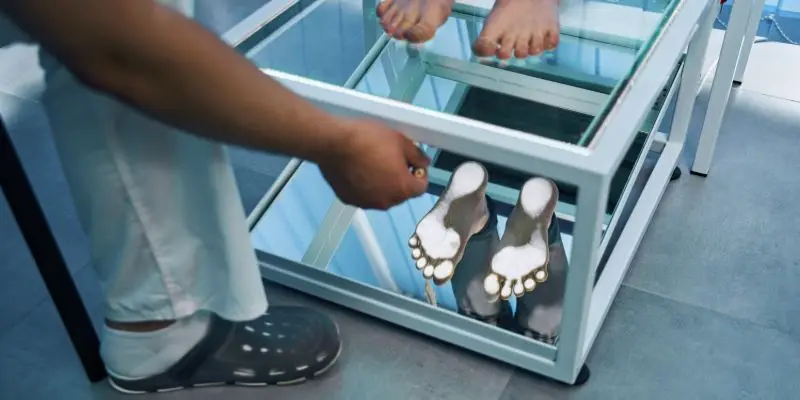
When a patient comes to me with high-heel problems, the first thing I do is listen to her story. How long have she been wearing heels? What height does she prefer? For how many hours a day?
Then I look at the feet. I note any calluses, corns, or deformities. I palpate the painful areas to determine if there's inflammation. I move the foot in different directions to assess joint flexibility.
Sometimes, if I suspect more serious problems like a stress fracture or Morton's neuroma, I'll order an X-ray or ultrasound. But in most cases, a physical exam is sufficient to determine what's going on.
What you can do to relieve the pain
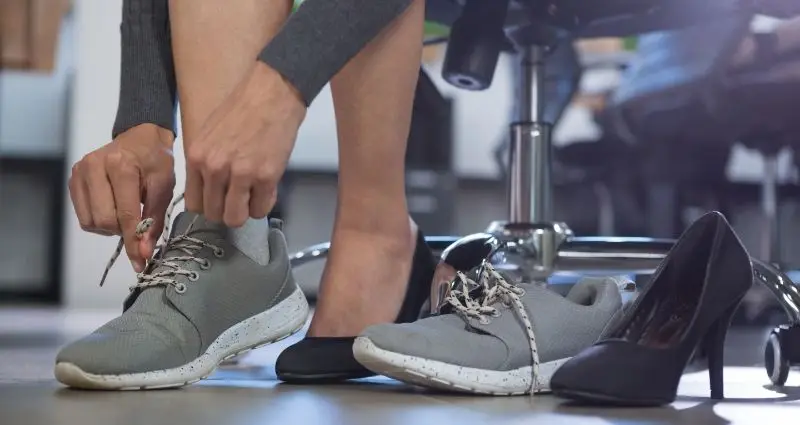
First of all: choose the right shoes. I know it seems trivial, but many women wear the wrong size shoes. The right size is the one you wear in the evening, when your foot is slightly swollen after a day of activity.
Opt for wider, more stable heels. A thin stiletto heel is certainly elegant, but it places all the weight on a tiny point. A wide heel distributes the load better.
Platforms can be a great solution. They reduce the angle of the foot relative to the ground, even with high heels. It's like a "trick" for having height without all the stress.
During the day, try to take breaks. Take off your shoes when you can, even if it's just for a few minutes. Wiggle your toes and do some ankle flexion.
Massage can help a lot. In the evening, when you take off your shoes, gently massage the soles of your feet with circular motions. You can use a tennis ball or one of those foot rollers specifically designed for feet.
Ice is a valuable ally if there's swelling or inflammation. Apply ice wrapped in a cloth to the painful areas for 10-15 minutes.
Natural remedies that really work
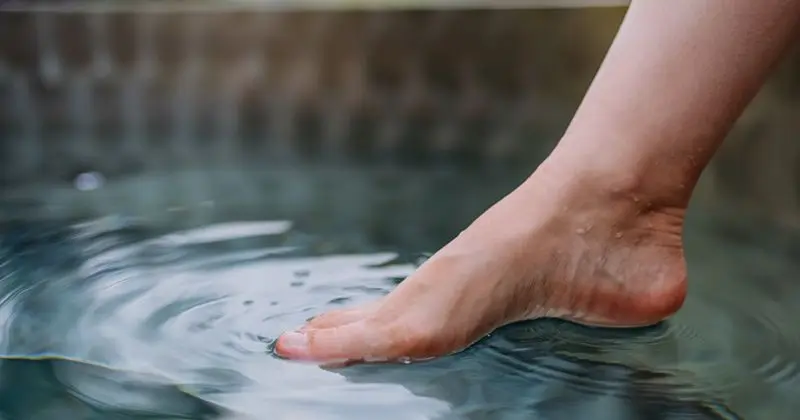
A foot bath with Epsom salt is fantastic for relaxing muscles. The warm water improves circulation, and the salt has a relaxing effect. Do it for 15-20 minutes in the evening.
Essential oils can have a cooling effect. Peppermint has a mild local anesthetic effect, while lavender is relaxing. Add a few drops to a foot bath or use them for massage, always diluted in a carrier oil.
I've also seen patients benefit from apple cider vinegar compresses, though the scientific evidence is limited. If you want to try it, dilute the vinegar with water in a 1:1 ratio and apply with a compress for 10 minutes.
When to worry and see a doctor

If the pain is severe and doesn't go away with rest, it's time to see a specialist. Don't wait for it to become chronic.
Be especially careful if you have diabetes or circulatory problems. In these cases, even small injuries can become problematic. Any blisters or cuts should be treated with care.
If you notice progressive toe deformities, such as your big toe starting to move toward the other toes, it's best not to wait. Bunions can worsen over time and become more difficult to treat.
How to prevent problems
Prevention is always the best strategy. Alternate shoes with different heel heights throughout the week. Don't always wear the same heel height.
Do exercises to strengthen your foot muscles. You can pick up small objects with your toes, or perform flexion and extension movements. Even walking barefoot around the house helps keep your muscles active.
Use orthotics or supports whenever possible. There are specific forefoot pads that can reduce pressure on the metatarsal heads.
SmartHallux: Where we can help you

Here at SmartHallux, we specialize in foot and ankle surgery. Dr. Luigi Manzi, who has extensive experience in this field, provides each patient with a personalized treatment plan using the most modern techniques.
We're not against high heels—we understand they're a part of many women's lives. Our goal is to help you manage problems when they arise and prevent them when possible.
The SmartHallux team treats conditions such as hallux valgus , Morton's neuroma , and other deformities that cause foot pain. Providing comprehensive support throughout the treatment process, SmartHallux can be a winning choice for effective treatment tailored to your needs. Book your specialist consultation with the SmartHallux team now (opens in a new tab).
Questions you often ask me
Doctor, do I have to give up high heels?
No, not necessarily. The important thing is to use them wisely. Not every day, not for too many hours at a time, and choosing styles that aren't too extreme. A well-shaped 6-8 cm heel is very different from a 12 cm stiletto heel.
How long does it take for the pain to go away?
It depends a lot on the situation. Muscle pain from overuse can resolve in 2-3 days with adequate rest. If there's inflammation of the plantar fascia or soft tissue, it may take longer. The important thing is not to ignore the problem hoping it will go away on its own.
Do insoles really help?
Yes, they can be very helpful. The ones specifically designed for high heels are designed to redistribute pressure across the ball of the foot. They don't work miracles, but they can make a difference, especially if you have to wear heels for long hours.