
Fluid in the ankle: what it is and why it builds up
Fluid in the ankle, or ankle effusion, is a build-up of synovial fluid in the joint after an injury, arthritis or infection. The causes and how it is treated.
By Dr. Luigi ManziUpdated on
The ankle is a complex joint, supported by bones, muscles, tendons, and a natural fluid called synovial fluid . This fluid lubricates the joint , reduces friction, and facilitates movement.
When excess fluid accumulates—due to trauma, inflammation, or systemic disease—it's called ankle joint effusion . The result is a noticeable swelling, often associated with pain and difficulty moving.
What causes it?

The causes can be varied and should always be carefully analyzed. The main ones are:
- trauma: sprains, fractures or impacts can cause acute fluid effusion;
- joint inflammation: such as arthritis, tendonitis or bursitis;
- infections: for example one septic arthritis, which requires urgent intervention;
- systemic pathologies: such as venous insufficiency, lymphostasis, heart or kidney problems;
- chronic accumulations: in case of osteoarthritis or excessive use of the ankle.
Symptoms: What does the problem look like?
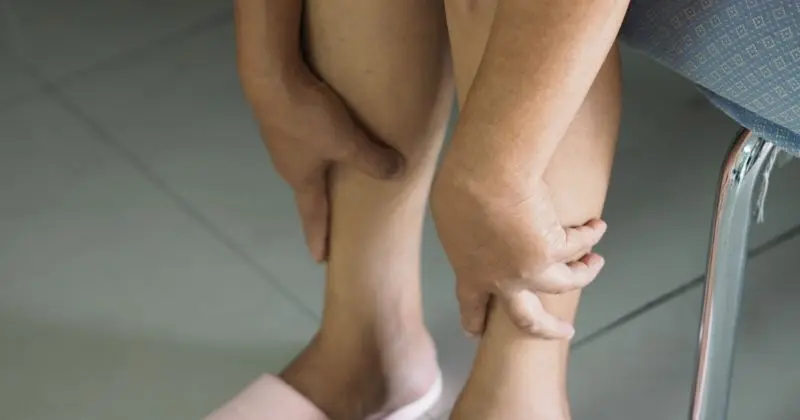
People with ankle effusion generally report:
- localized swelling, more evident in the evening or after physical activity,
- pain that can range from dull to sharp,
- heat or redness of the affected area,
- difficulty moving the ankle, especially in flexion or extension.
In more severe cases, even walking becomes difficult and it may be necessary to place the foot carefully or avoid it altogether.
How is the diagnosis made?
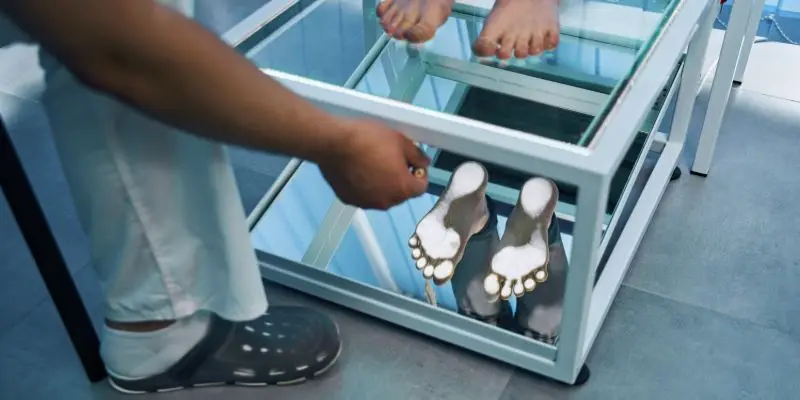
A correct diagnosis begins with a specialist visit with a physical examination. Subsequently, the following may be necessary:
- radiographs to exclude fractures or osteoarthritis;
- echography to assess the presence and quantity of liquid;
- magnetic resonance, in complex cases;
- synovial fluid analysis, in case of suspected infection or significant inflammatory pathology.
How is it treated?

Treatment depends on the cause. In many cases, a conservative approach is recommended:
- rest and joint unloading,
- ice, to be applied several times a day,
- compression with elastic bandages,
- leg elevation, to promote drainage,
- anti-inflammatory drugs or, in selected cases, corticosteroids.
If the cause is infectious or serious joint-related, fluid aspiration and surgery may be necessary , especially if internal damage or persistent tibiotalar effusion is suspected.
Is it possible to prevent it?
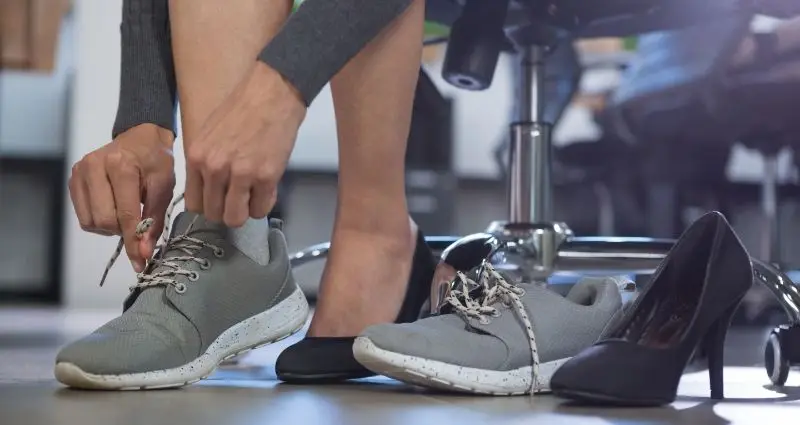
Yes, and often simply. Some helpful tips include:
- always warm up well before physical activity,
- use suitable shoes and well cushioned,
- maintain a healthy weight to avoid overloading the joints,
- hydrate yourself properly,
- avoid neglecting even minor ankle injuries.
When is it time to visit?

If the swelling doesn't subside within a few days, if you notice increasing pain , a hot or red ankle , or difficulty walking, a specialist evaluation is essential. Delaying surgery can turn a solvable problem into a more serious condition.
How SmartHallux can help you

At SmartHallux , Dr. Luigi Manzi offers a thorough evaluation for all ankle swelling , synovial effusion , and related conditions. The center also specializes in minimally invasive foot and ankle surgery, offering personalized solutions for every patient.
SmartHallux can be a winning choice for obtaining an effective treatment targeted to your needs. Book your specialist visit with the SmartHallux team now (opens in a new tab).