
Deforming osteoarthritis: what you need to know about causes, symptoms, and remedies
Deforming osteoarthritis is advanced joint wear that changes the shape of the joint, with stiffness, swelling and bony bumps. Causes, symptoms and remedies.
By Dr. Luigi ManziUpdated on
Have you ever woken up in the morning and felt your joints stiff, as if they were rusty? Maybe you thought, "It must be the passing years," or "It's the humidity." Well, you might not be far from the truth. Often, this feeling is caused by degenerative arthritis.
In my office, I constantly see patients coming in with this problem. "Doctor, my knees hurt," "I can't move my fingers like I used to," "I'm a wreck in the morning." These are phrases I hear every day. Deforming osteoarthritis is one of those conditions that, unfortunately, becomes increasingly common with age, but that doesn't mean we should resign ourselves to living with it without doing anything.
After all, we're talking about one of the most common joint diseases in the world. And no, it's not just a matter of "normal aging"—there are many things we can do to better manage it.
What is deforming osteoarthritis really?
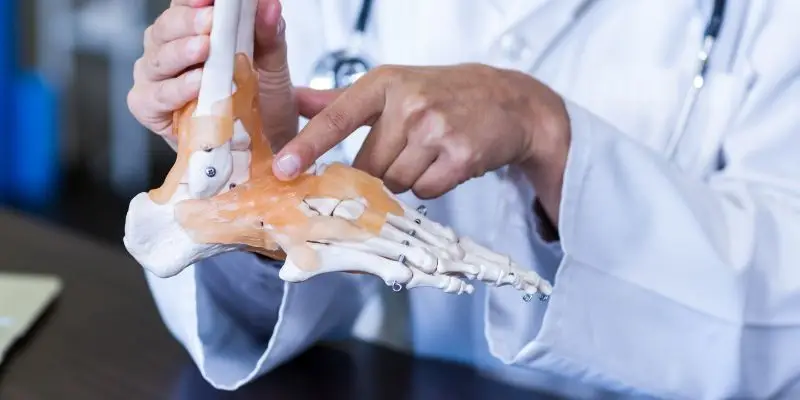
Imagine your joints as perfectly oiled bearings. The cartilage lining your bones is like a protective layer that allows for smooth, frictionless movement. Now, think about what happens when this layer wears out, thins, or breaks.
This is exactly what happens in degenerative osteoarthritis. The cartilage progressively deteriorates. The bones begin to "touch" each other directly, creating friction, pain, and inflammation. And the body, in an attempt to repair the damage, forms bony growths—osteophytes—which make the joint deformed and even more stiff.
The term "deforming" is no coincidence. Over time, the joint literally changes shape.
The causes: it's not just a question of age
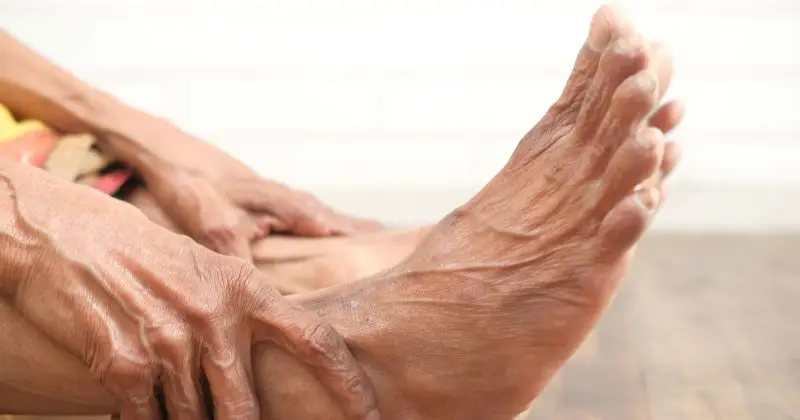
When a patient asks me, "Why me?" the answer is never simple. Of course, age is a factor—after age 65, most people have some degree of osteoarthritis. But it's not the only cause.
Body weight plays a key role. Every extra pound puts additional strain on the joints, especially those that support body weight, like the knees and hips. I have patients who, after losing even just 5-7 pounds, have noticed a significant improvement in their symptoms.
Past injuries are often overlooked. That sprained ankle from twenty years ago? That fall while skiing? The body remembers them all. Injuries, even those that appear to have healed, can predispose the joint to future osteoarthritis.
Genetics definitely play a role. If your parents or grandparents had joint problems, you may have a predisposition. It's not a definitive diagnosis, but it's a risk factor to keep in mind.
And then there's physical activity. Mind you, I'm not saying exercise is bad for you. On the contrary! But overdoing it, repetitive and intense stress, can accelerate cartilage wear. I've seen many former athletes with early osteoarthritis for precisely this reason.
How it manifests: the symptoms you can't ignore

Pain is the first warning sign. It's not just any pain—it has specific characteristics. Initially, it occurs after activity, as if the joint were protesting after being overused. Then it becomes more constant.
Morning stiffness is almost a trademark. "Doctor, I feel like a robot when I wake up," I'm often told. The first steps are the hardest, but then things gradually improve. This initial stiffness can last from 15-30 minutes in the early stages up to several hours in more advanced cases.
Swelling occurs when the joint becomes inflamed. It isn't always present, but when it is, it's clearly visible and palpable. The area becomes warm, swollen, and painful to the touch.
The limitation of movement is progressive. First, you'll be unable to perform certain tasks that were once natural—tying your shoelaces, opening a jar, climbing stairs without difficulty. It's a gradual process that often goes unrecognized.
How we arrive at the diagnosis

When a patient comes into my office with suspected osteoarthritis, my first tool is observation. I watch how they walk, how they move, how they get up from a chair. These are details that tell a story.
The physical examination is essential. I palpate the joint, check its movements, and assess where and when the pain occurs. I look for signs of inflammation, deformities, and specific tender points.
X-rays are our ace in the hole. They clearly show the narrowing of the joint space (where cartilage should be), osteophytes, and bone deformities. It's like having a detailed map of the damage.
In some cases, I use MRI or ultrasound to obtain more precise information on the soft tissues, joint effusions, and the state of the residual cartilage.
Treatment options: What can we do together?

Let's start with a truth I always tell my patients: degenerative osteoarthritis cannot be "cured" in the traditional sense. But that doesn't mean we should give up. Quite the opposite. We have many tools to manage it effectively.
Medications are often the first approach. Nonsteroidal anti-inflammatory drugs (NSAIDs) such as ibuprofen or diclofenac help control pain and inflammation. Paracetamol is useful for pain when there is no significant inflammatory component. In more severe cases, hyaluronic acid or corticosteroid injections may be considered.
Physiotherapy is a fundamental pillar of treatment. A good physiotherapist not only works on the symptom, but also helps maintain joint mobility, strengthen supporting muscles, and improve posture and movement patterns. I've seen patients completely transform after a well-structured physiotherapy program.
Orthotics and supports can make a difference in your daily life. A knee brace, specialized insoles, and hand supports—all these tools help relieve pressure on the joint and reduce pain during activities.
When conservative treatments are no longer sufficient, surgery becomes an option. From minimally invasive techniques like arthroscopy to prosthetic replacement in the most advanced cases.
Natural remedies that can help
In addition to traditional treatments, there are natural approaches that many patients find beneficial. Applying dry heat can relieve stiffness, while cold is more helpful when there is acute inflammation.
Glucosamine and chondroitin supplements are in high demand. The scientific evidence is controversial, but some patients report improvements. They aren't harmful, but it's important not to expect miracles.
Adapted physical activity is perhaps the best "natural remedy." Swimming, walking, water exercises, gentle yoga—anything that keeps the joint moving without overloading it.
Living well with osteoarthritis: realistic expectations
The question everyone asks me is: "Doctor, will I be back to normal?" The honest answer is that it depends on many factors—stage of the disease, age, general condition, and the patient's motivation.
What I can say with certainty is that most patients who follow an appropriate treatment plan see significant improvements in their quality of life. Pain becomes manageable, function improves, and they are able to maintain an active lifestyle.
The important thing is to have realistic expectations and not give up at the first obstacle.
How to prevent deforming osteoarthritis

Prevention starts young, but it's never too late to start. Maintaining a healthy body weight is probably the most effective measure—every pound lost means fewer pounds of stress on your joints.
Regular, but not excessive, exercise keeps joints lubricated and muscles strong. A little consistent activity is better than occasional intense sessions.
Protect your joints from injury by using adequate protection during sports, wearing appropriate footwear, and paying attention to repetitive movements at work.
SmartHallux: Where we can help you

Here at SmartHallux, we specialize in foot and ankle surgery. Dr. Luigi Manzi, who has extensive experience in this field, provides each patient with a personalized treatment plan using the most modern techniques for treating osteoarthritis affecting these joints, which are crucial for walking.
The SmartHallux team treats conditions such as hallux valgus , Morton's neuroma , and other deformities that cause foot pain. Providing comprehensive support throughout the treatment process, SmartHallux can be a winning choice for effective treatment tailored to your needs. Book your specialist consultation with the SmartHallux team now (opens in a new tab).
Questions you often ask me
Doctor, is deforming osteoarthritis hereditary?
There's certainly a genetic component, but it's not a death sentence. If you have a family history of osteoarthritis, it's more important to focus on prevention—weight, adequate physical activity, and joint protection.
Are there definitive cures for deforming osteoarthritis?
Currently, there is no cure that can completely restore damaged cartilage. However, there are many effective treatments to manage symptoms, slow progression, and maintain a good quality of life. Treatments for osteoarthritis range from medications to surgery, including physical therapy and lifestyle changes.
Does climate influence the symptoms of osteoarthritis?
Many patients report worsening symptoms with humidity and changes in atmospheric pressure. This isn't just imagination—there's a scientific basis. The important thing is not to use the weather as an excuse not to exercise!