
Achilles tendon pain: what causes it?
Achilles tendon pain is usually due to tendonitis, tendinopathy or a partial tear. How to recognize the cause, the symptoms and when to see a specialist.
By Dr. Luigi ManziUpdated on
That pain or sensation of swelling and weakness felt in the area of the Achilles tendon is particularly common among athletes and people who do a lot of physical activity, but it can affect anyone, regardless of lifestyle.
Factors such as age, gender, physical fitness, and the presence of medical conditions like diabetes can certainly influence the development of Achilles tendon discomfort and pain. Certainly, those with a relatively sedentary lifestyle and tight or weak calf muscles, as well as stiff ankle, knee, or foot joints, are at increased risk of these problems over time.
However, the exact cause of this inflammation of the area connecting the heel bone to the calf muscles has not been identified. It is often the result of repetitive stress on the tendon, which can be caused by poor posture or wearing shoes with poor cushioning, which cause inflammation, or by overly intense training, which overloads the joint.
Knowing how to recognize the symptoms of any pathologies that cause Achilles tendon pain means being able to minimize the risk of complications.
Causes of Achilles tendon pain

We've already seen how several factors can cause inflammation and pain in the Achilles tendon. Aging and intense physical activity, such as endurance sports, can make the tendon more vulnerable, causing tendinitis and pain.
Among the most common causes of Achilles tendon pain are direct trauma, which damages the tendon, and the use of rigid shoes that do not offer adequate support to the heel.
Some pre-existing conditions (such as arthritis and diabetes), specific genetic conditions, or postural asymmetries can increase tension on the tendon, leading to its inflammation.
Regardless of the cause, if not treated properly, Achilles tendonitis can lead to serious complications, including Achilles tendon rupture, sural nerve neuropathy, infection, and thrombophlebitis.
Symptoms of Achilles tendonitis and treatment of pain

The most common symptoms associated with tendonitis vary depending on the severity and duration of the condition. The first and most common symptom is heel pain, especially during or after physical activity, accompanied by swelling, redness, and tenderness along the entire tendon.
Other common symptoms of tendinitis include morning stiffness, which eases throughout the day, and difficulty walking or standing for prolonged periods.
If you experience these symptoms, it's helpful to consult your doctor for a proper diagnosis of Achilles tendinitis. To do this, in addition to a visual examination and palpation of the tendon, you may be asked to perform an X-ray (to rule out fractures or other bone abnormalities), an ultrasound (to visualize inflammation and tendon damage), or, in more severe cases, an MRI to identify any internal injuries.
Rest, applying ice to the tendon, or using anti-inflammatory medications help reduce swelling and relieve pain. These remedies, along with regular stretching and strengthening exercises aimed at the tendon, are the first line of treatment, regardless of the cause and severity of the pain.
When, in more severe cases, pain persists, there may be a significant tear in the Achilles tendon. In these circumstances, conservative treatments are ineffective, and surgical options may be necessary, such as tenotomy (removal of the damaged portions of the tendon), tenodesis (repositioning the tendon to a less stressed area), or, in cases of complete tear or advanced degeneration, tendon reconstruction.
rehabilitation

Rehabilitation is essential to ensure complete recovery and reduce the risk of recurrence. Here are some typical phases of rehabilitation:
- Stretching and strengthening exercises
- Taping, or a tendon support technique during the recovery phase.
Recovery times can vary from a few weeks to several months, depending on the severity of the inflammation and the treatment performed.
Prevention of Achilles tendon pain
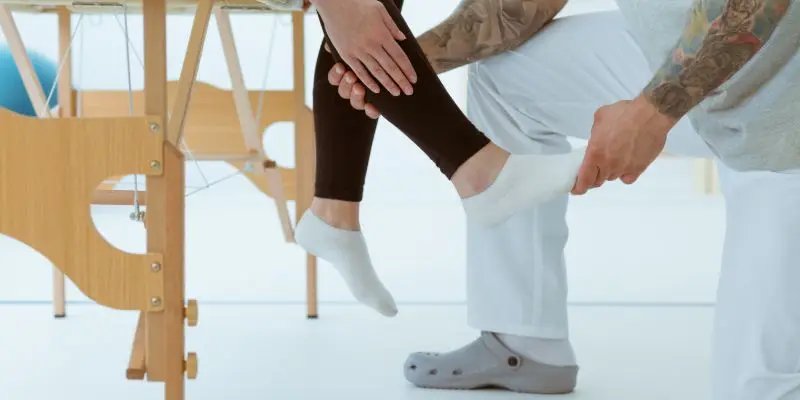
Prevention is essential for those at risk of inflammation or prone to tendonitis. Recommended activities include:
- regular stretching to maintain the flexibility of the tendon.
- the use of suitable footwear with adequate heel support.
- the gradual increase in training intensity.
- warming up before physical activity reducing the risk of injury.
- body weight management to avoid increasing pressure on the tendon.
What to do if you experience pain in your Achilles tendon?

Are you suffering from Achilles tendon pain? Book an assessment with Dr. Luigi Manzi today to discover available treatment options and resume pain-free walking. His approach aims to reduce pain and accelerate healing. Thanks to collaboration with clinics throughout Italy, you can also access telemedicine services and orthopedic emergency care.