
Surgery for Achilles Heel Calcifications
Calcifications at the back of the heel, where the Achilles attaches, limit running and jumping. When surgery is indicated to remove them and the recovery.
By Dr. Luigi ManziUpdated on
The Achilles tendon , also known as the Achilles heel , is especially important for those who exercise because it allows you to jump and run. Unfortunately, however, it has a hidden enemy: Achilles heel calcifications .
These small discomforts accumulate and solidify. Achilles heel surgery can solve the problem. It's the most effective solution for those who want to walk, run, and jump again without pain.
Causes of Achilles Heel Calcifications

Besides being a metaphorical weakness, it can also be a physical one. Calcifications form over time and can cause serious problems. This occurs when the Achilles tendon endures stress that requires excessive amounts of mineral salts . If microtraumas are repeated, calcifications appear. Factors such as excess weight , age, and ill-fitting shoes can turn the tendon into a crystal museum.
Common symptoms
If your heel is often painful, you may be dealing with calcifications. The main symptoms are:
- sharp or burning pain along the tendon;
- morning stiffness in the heel which makes the first steps of the day seem like a mechanical walk;
- swelling and sensation of having stones stuck in the foot.
Early diagnosis not only speeds up the recovery process, but also helps prevent worsening conditions. A timely check-up is your best ally, because no one likes unpleasant surprises that paralyze them.
Types of surgical procedures

After making an appointment with your doctor, the next step is Achilles heel surgery . With the right knowledge, you can avoid pre-operative anxiety. Here are the most common procedures:
- Open removal of calcificationsOpen removal involves a large incision. The specialist will visually remove the calcifications, making room for the Achilles tendon.
- Arthroscopic surgery: Arthroscopic surgery is more discreet, as small incisions are used and a microcamera.
- Minimally invasive techniques: They use incisions that are more similar to pinpricks, making the post-operative period less traumatic.
Risks and benefits of surgery
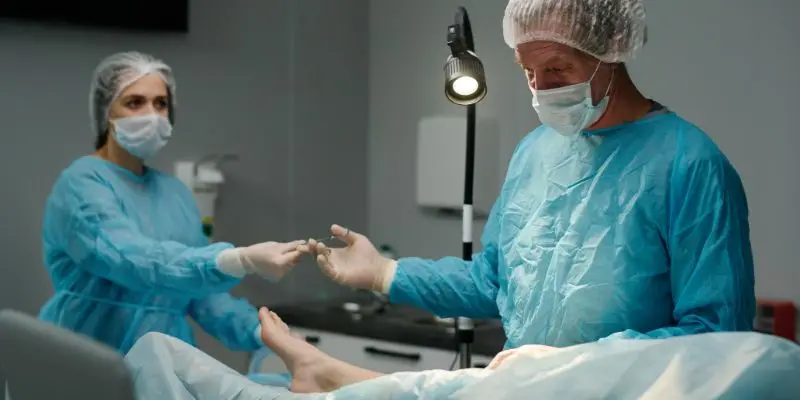
When it comes to Achilles heel surgery , there's no shortage of concerns. In this regard, let's look at the risks and benefits of surgery for Achilles tendon calcifications.
Possible complications
Every surgical procedure has its complications. In the case of Achilles calcifications , the most common are:
- infections;
- nerve damage;
- prolonged recovery.
Advantages of surgical treatment
There are also many advantages to proceeding with this treatment. Among the most significant:
- pain reduction;
- improved mobility;
- prevention of further injury.
Recovery and rehabilitation time
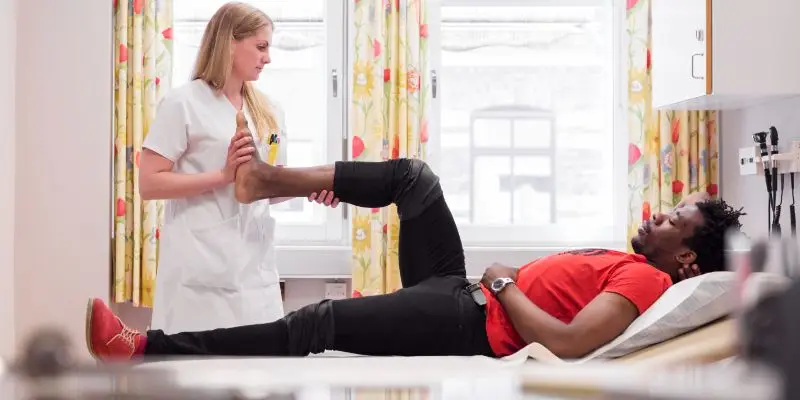
As for recovery time, it usually takes 6 to 10 weeks to return to normal walking. During this time, rehabilitation is crucial. A personalized physiotherapy program will help:
- strengthen the heel;
- regain flexibility;
- avoid walking mechanically for the rest of your life.
In short, surgery for Achilles heel calcifications , with its risks and benefits, is often necessary. The important thing is to find the right balance to return to walking or physical activity smoothly and without pain.
Book your visit with SmartHallux

To treat Achilles heel calcifications and return to pain-free living, contact SmartHallux . The innovative, minimally invasive technique we use guarantees rapid recovery, allowing you to return to your daily and sports activities in record time. Our team of experts will always be by your side, ready to guide you through every stage of treatment, from early diagnosis to complete rehabilitation.
Calcified Achilles tendons can cause pain and limit your movement, but with our personalized approach, you can finally say goodbye to these discomforts. Book now using the booking form on our website.